Commercial Painting Services on Long Island
On time, on budget and scheduled around your operations, including nights and weekends, because we work 24 hours.
Painted around your business, not through it
Commercial work lives or dies on scheduling. We are staffed and open 24 hours, which means we can run nights, early mornings and weekends so your customers and staff never see a drop cloth.
Retail, offices, multi-unit residential and industrial. Some of the biggest names in the business have trusted us with their spaces.
- Work scheduled nights, weekends or in phases to avoid disrupting operations
- Fully staffed crews, so a job that starts on Monday is still moving on Thursday
- Nassau and Suffolk licensed, with New York City liability insurance
- Interior and exterior, plus power washing, plastering and stucco repair
- Carpentry and repairs handled in-house rather than subcontracted
- Written scope and fixed pricing up front
What working with us looks like
Site walk and written scope
We walk the property, agree the phasing and access, and put a fixed price in writing.
Schedule around you
Nights, weekends or zone-by-zone, whatever keeps your operation running.
Execute
Fully staffed crews, protected surfaces, daily cleanup so the space is usable every morning.
Sign-off and warranty
Walkthrough with your facilities contact and a one-year written warranty against paint failure.
Commercial Painting Planned Around Your Property and Operations
In this guide
- Commercial Painting Services for Different Properties
- A Commercial Painting Scope Should Be Precise
- Planning Around Business Hours
- Surface Preparation in Commercial Buildings
- Selecting Commercial Paint and Coatings
- Interior Commercial Painting
- Exterior Commercial Painting
- Safety, Access, and Site Coordination
- Quality Control and Project Closeout
- How to Compare Commercial Painting Proposals
- Request a Commercial Painting Estimate on Long Island
Commercial painting affects more than appearance. The project can influence customer impressions, employee work areas, tenant access, wayfinding, maintenance planning, and the daily use of a building. The right painting partner must deliver a consistent finish while coordinating schedules, occupied spaces, equipment, safety requirements, and communication with the people who use the property.
Walker Painting provides commercial painting on Long Island for offices, retail spaces, multi-unit properties, industrial facilities, and other suitable business properties. Its phones are answered 24 hours a day, and commercial work can be scheduled at night, on weekends, or in phases. Each project begins with a site assessment and a fixed written scope designed around the building, surfaces, operating hours, and project priorities.
Commercial Painting Services for Different Properties
Commercial environments vary widely. A small professional office may need quiet phased work after business hours. A retail space may require fast turnover and clean customer paths. A multi-unit property may need repeatable colors and documentation across several common areas.
Potential commercial painting projects include:
- Offices, conference rooms, reception areas, and break rooms
- Retail interiors, fitting rooms, stock areas, and storefronts
- Restaurants and customer-facing hospitality areas
- Medical and professional offices, subject to site requirements
- Apartment or condominium common areas
- Property management turns and scheduled maintenance
- Warehouses, light industrial areas, and utility spaces
- Exterior siding, stucco, masonry, trim, doors, and selected metal surfaces
Project suitability depends on access, coating needs, building use, and any specialized compliance requirements. The proposal should clearly state which spaces and surfaces are included.
If you are responsible for a home or rental residence, our residential painting services provide a homeowner-focused process. For building envelopes and outdoor surfaces, see our detailed exterior painting guide.
A Commercial Painting Scope Should Be Precise
Vague estimates make commercial projects hard to budget and manage. A strong scope identifies locations, surface quantities or limits, preparation standards, coatings, colors, access assumptions, protection, working hours, cleanup, and closeout.
It should answer questions such as:
- Are offices occupied, vacant, or completed in phases?
- Who moves furniture, displays, equipment, and inventory?
- Which walls, ceilings, doors, frames, railings, or exterior elements are included?
- How are repairs defined and approved?
- Are color matches based on records, samples, or field verification?
- What low-odor or rapid-return requirements apply?
- How will customers, tenants, staff, and deliveries move around the work?
- Who has authority to approve changes and completed areas?
This level of detail helps stakeholders understand the schedule and reduces surprises after work begins.
Planning Around Business Hours
Commercial painters may need to work in stages, during low-traffic periods, or outside normal operating hours. The best approach depends on noise, odor, drying time, access, security, lighting, and the activities taking place in each area.
Phasing can keep part of a building operational while another section is prepared and painted. In an office, crews might complete conference rooms first, then groups of private offices and corridors. In retail, the work may follow departments or elevations so entrances and checkout areas remain accessible.
Before the start date, establish daily work zones, barricades or signs, material storage, waste handling, alarm procedures, keys, elevator access, loading areas, and the person responsible for opening or closing the site. A written communication plan keeps facilities staff, managers, and painters aligned.
Surface Preparation in Commercial Buildings
Commercial surfaces often show wear from carts, furniture, customers, cleaning, equipment, and frequent touch. They may also have layers of previous coatings or repairs performed at different times.
Preparation may include cleaning, scraping, sanding, patching, caulking, spot priming, and corrosion treatment within the scope. Kitchens, restrooms, service corridors, and industrial areas can have contamination that requires specific cleaning before painting. Moisture, recurring stains, failed drywall, and structural movement should be investigated rather than covered.
The required finish level should match the building and budget. A back-of-house utility room may need sound preparation and durable coverage, while a high-visibility reception area may require more extensive patching and a stricter appearance standard. Defining this distinction in the proposal prevents mismatched expectations.
Selecting Commercial Paint and Coatings
Product selection should reflect the surface, traffic, cleaning routine, desired appearance, ventilation, and time available before the area returns to service.
Common considerations include:
- Washability: Corridors, reception areas, and shared spaces may require regular cleaning.
- Scuff resistance: High-contact walls can benefit from coatings designed for repeated traffic.
- Moisture exposure: Restrooms, service areas, and some exterior surfaces need products appropriate for their environment.
- Odor and occupancy: Occupied spaces may call for lower-odor products and planned ventilation.
- Dry and recoat time: Faster return may be useful, but the full coating system must still suit the surface.
- Color consistency: Property standards and maintenance records help future touchups match.
- Substrate compatibility: Drywall, masonry, wood, metal, and existing coatings have different needs.
Ask the painting contractor to list manufacturer, product line, sheen, and color for each surface. Keeping that schedule after closeout simplifies future maintenance.
Interior Commercial Painting
Interior commercial painting can refresh worn spaces, support a rebrand, prepare a suite for a new tenant, or establish a consistent standard across a property. Walls are often the largest part of the scope, but ceilings, doors, frames, trim, railings, and built-ins can strongly affect the finished appearance.
Color planning should consider brand standards, lighting, accessibility, wayfinding, and the building’s permanent features. Strong brand colors may work best as controlled accents rather than across every wall. Neutral field colors can make future maintenance easier when the exact formulas are documented.
For a closer look at wall preparation, sheen, and occupied-space planning, review our professional interior painting process.
Exterior Commercial Painting
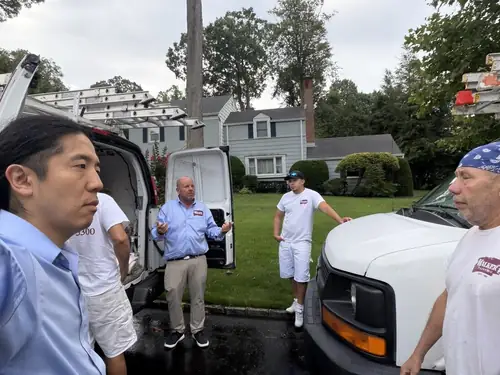
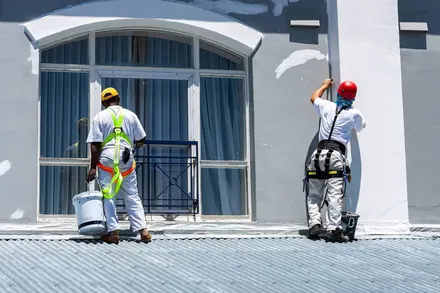
Exterior commercial projects add weather, height, public access, signage, parking, deliveries, and neighboring property to the plan. Work zones and application methods should be coordinated so customers and staff can enter safely and business activity can continue as agreed.
Cleaning and preparation are especially important outside. Failed caulk, peeling coatings, exposed substrates, rust, moisture staining, and damaged masonry should be documented. Weather can change the sequence, so the schedule should include a communication process for delays or unsuitable conditions.
When color is part of a larger brand update, confirm approvals before materials are ordered. Property owners, tenants, franchisors, design teams, and local authorities may each have requirements.
Safety, Access, and Site Coordination
Every commercial property has its own site rules. Before work begins, discuss certificates of insurance, contractor access, lifts or ladders, restricted areas, material storage, safety meetings, and building-specific documentation. Specialized facilities may impose additional requirements that should be identified during estimating.
Public and occupied areas need clear separation from active work. Cords, equipment, wet surfaces, and freshly coated doors should be controlled and marked. The contractor and property representative should agree on who communicates closures or temporary route changes to occupants.
Quality Control and Project Closeout
Commercial quality control works best when it happens throughout the project. Sample areas can confirm color, sheen, and finish expectations before broad application. Completed phases can be reviewed while access equipment and materials are still on site.
At closeout, the contractor should remove coverings and debris, review the finished scope, and address documented punch-list items. Useful closeout records may include product and color schedules, leftover labeled touchup paint when agreed, care guidance, approved change orders, and completion signoff.
How to Compare Commercial Painting Proposals
Compare the details behind each number:
- Do all proposals cover the same surfaces and quantities?
- Is preparation described with comparable standards?
- Are product lines and coat expectations identified?
- Are lifts, access equipment, permits, parking, and after-hours costs included?
- Who handles moving and protecting business property?
- How are repairs, hidden conditions, and changes priced?
- What schedule and staffing assumptions are included?
- How will the site be cleaned and reopened each day?
- Does the contractor meet the property’s insurance and licensing requirements?
A lower price may reflect a smaller scope, different preparation, or a less suitable product. A side-by-side scope review is more useful than comparing totals alone.
Request a Commercial Painting Estimate on Long Island
A successful commercial painting project depends on planning, communication, and a scope that reflects how the property operates. Walker Painting can assess the site, coordinate priorities, and prepare a written painting proposal for your business or managed property on Long Island.
Call 516-447-2732 or request a free site visit to discuss commercial painting. Walker Painting is licensed in Nassau and Suffolk counties and carries liability insurance for New York City work.
Get an estimate today. Paint tomorrow.
A free on-site estimate, a fixed written price, and a one-year written warranty against paint failure.
The part most painters skip is the part we’re known for
Prep, protection and paperwork. It is not glamorous, and it is the whole difference between a paint job that lasts and one that doesn’t.
Your home gets protected
We move everything to the center of the room, use casters so nothing scars the floor, and lay heavy canvas drop cloths, never plastic sheeting underfoot.
Lead-safe certified
We are a certified lead paint renovator and have completed the full certification coursework, which matters on almost every pre-1978 Long Island home.
One-year written warranty
Every paint job is covered by a one-year warranty against all paint failure. It is written down, and you get a copy.
Crews you can vet
Every employee is vigorously screened with multiple references. Most of our people have been with Walker Painting for 15 years.

Rated 5.0 across 300+ Google reviews
WOW, thank you to Sal and his team. The professionalism and flexibility working with Sal was like no other. We would happily refer them to anyone looking for a team of caring people who do a tremendous job.
They are fully staffed, which is rare.
Paula’s exterior came with significant rotted wood. The crew handled the repairs without delay, and leaned on Dave and Sal to pick shades that stayed true to her home’s classic traditional style.
Commercial Painting FAQs
Can you work outside business hours?
Yes. Our business hours are 24 hours a day, seven days a week, and commercial jobs are routinely scheduled at night or on weekends.
Are you insured for New York City work?
Yes. We hold Nassau County and Suffolk County licenses and carry New York City liability insurance.
Do you handle repairs as well as painting?
Yes. Carpentry, sheetrock, plastering and stucco repair are all done in-house.
What areas do you cover?
Nassau, Suffolk, Queens and Manhattan.
Is there a warranty?
Yes. A one-year written warranty against all paint failure.
Can painting be completed without closing the business?
Many projects can be phased around operations. Feasibility depends on the layout, coating system, ventilation, safety controls, noise, access, and business activity. The schedule should be agreed before mobilization.
Do commercial painters work after hours?
After-hours or weekend work may be available when included in the proposal. Confirm building access, security, lighting, supervision, and any added costs.
Can you match our existing brand colors?
Existing formulas, brand standards, and physical samples can help. Field conditions, sheen, age, lighting, and substrate affect perceived color, so approve a sample before broad application.
Who moves office furniture and equipment?
Responsibility varies by project. The scope should state what the painting crew will move, what staff must clear, and what requires a specialized vendor.
How often should a commercial property be repainted?
Traffic, cleaning, exposure, coating quality, brand changes, and tenant turnover all affect the cycle. Routine inspections and maintenance records support better budgeting than a universal schedule.
Other services we offer
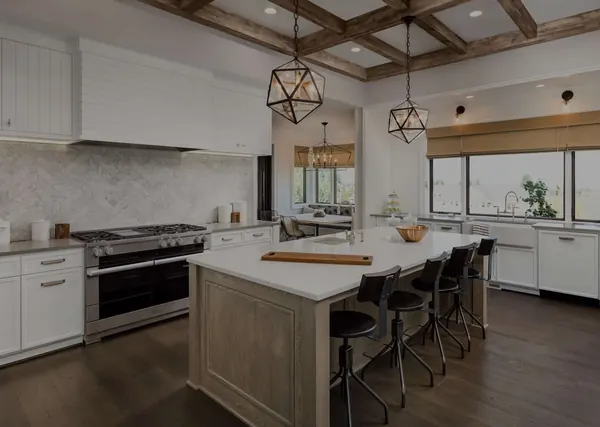
Interior Painting
Transform your living spaces with careful prep, quality materials, and a color palette that brings your vision to life.
Learn more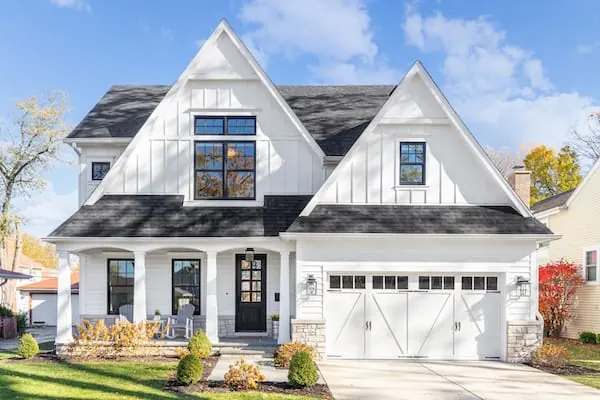
Exterior Painting
Protect and elevate your home’s curb appeal with durable, weather-ready finishes built for Long Island seasons.
Learn more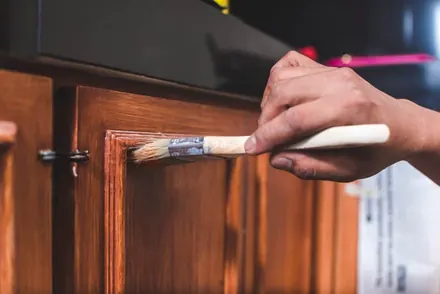
Cabinet Painting
Revitalize kitchen and bathroom cabinetry with expert precision and high-grade finishes that look factory-new.
Learn moreCarpentry & Repairs
Beyond painting, we restore the structural integrity and beauty of your space with expert carpentry and repair work.
Learn more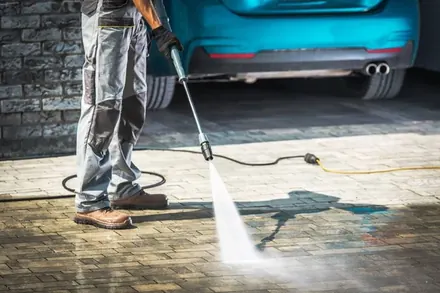
Power Washing
Comprehensive power washing to clean and prep your surfaces, restoring the brilliance of your exterior spaces.
Learn more
Color Consulting
Enjoy a free consultation with professional interior designers (whole-house projects) to select the perfect palette.
Learn more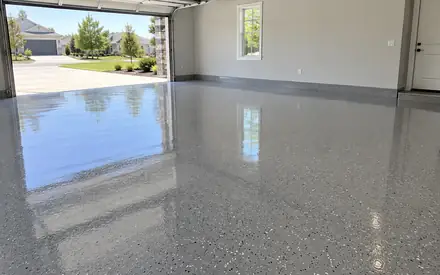
Epoxy Flooring Installation
Durable, high-gloss epoxy floor coatings installed in garages, basements and commercial spaces, built to handle daily wear.
Learn moreNot sure where to start?
Tell us about your project and we’ll recommend the right approach.
Request Free EstimateRequest your free estimate
Tell us about your project and we will get back to you fast. Get an estimate today. Paint tomorrow.
- Free on-site estimate, no obligation
- Nassau & Suffolk licensed, fully insured
- One-year written warranty on every job
- No job too small, even if it’s just one room
Get your free quote
Takes about a minute. We’ll follow up personally.
Request Free Estimate- One minute to complete
- No obligation, no pressure
- Ask about the Painter For A Day special
Prefer to talk? Call 516-447-2732