Exterior Painting on Long Island
Exterior painting has two jobs: it shapes the first impression of your property and helps protect properly prepared surfaces from outdoor exposure.
Exterior Painting That Protects and Refreshes Your Property
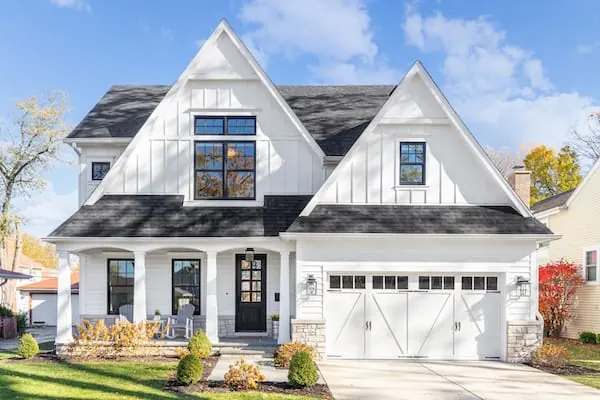
Exterior painting has two jobs: it shapes the first impression of your property and helps protect properly prepared surfaces from outdoor exposure. A good project can bring faded siding back to life, create sharper architectural contrast, and address coating failure before exposed materials deteriorate further.
Walker Painting has provided exterior painting on Long Island since 1995. Its crews serve Nassau and Suffolk counties, Queens, and Manhattan, with power washing, smaller repairs, rotted-wood replacement, shingle replacement, and deck staining available as the project requires. Every durable result begins with an honest look at surface condition, followed by cleaning, preparation, the correct primer and paint system, and application during suitable weather.
Request Free Estimate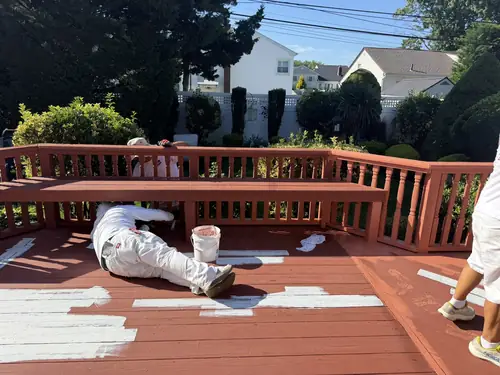
Signs It May Be Time for Exterior Painting
Paint does not fail on a fixed schedule. Sun exposure, moisture, landscaping, previous preparation, construction material, color, and product quality all affect how a coating ages. Inspect the property rather than relying only on the number of years since the last project.
Common signs that deserve attention include:
- Peeling, flaking, blistering, or cracking paint
- Faded color or uneven sheen
- Chalky residue on siding
- Open joints or cracked caulk
- Bare or weathered wood
- Rust beginning on coated metal
- Stains that return after cleaning
- Areas where water may be entering or collecting
Painting is not a substitute for correcting leaks, rot, or drainage problems. A responsible exterior painter should identify visible concerns and clarify which repairs are part of the painting proposal.
For a complete home update, exterior work can be coordinated with interior painting services. Our broader residential painting guide explains how both scopes can fit into one plan.
Exterior Preparation: The Foundation of a Lasting Finish
The most visible part of the job is the new color, but much of the real work happens first. Paint needs a clean, dry, stable surface. Applying it over loose material or trapped contamination may create a short-lived cosmetic improvement rather than a dependable coating.
Preparation may include:
- Cleaning: Dirt, dust, chalk, mildew, and cobwebs are removed using a method appropriate for the surface.
- Scraping: Loose and failing paint is removed to a sound edge.
- Sanding: Rough transitions and glossy areas are smoothed or abraded where needed.
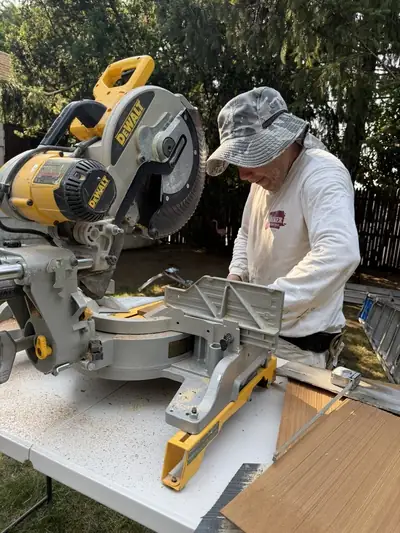
- Repairs: Minor surface defects are addressed within the agreed scope. Larger carpentry, masonry, or moisture issues may require a specialist.
- Caulking: Failed joints are renewed where caulk is appropriate, while drainage or ventilation gaps remain open.
- Priming: Bare, repaired, stained, or challenging surfaces receive a compatible primer.
- Protection: Windows, roofing, plants, walkways, fixtures, and neighboring surfaces are covered or shielded.
The estimate should describe the preparation in plain language. “Prep and paint” is too vague when two contractors may have very different processes in mind.
Matching Paint to Exterior Materials
An exterior can include several materials, each with different movement, texture, absorption, and adhesion needs.
Wood siding and trim
Wood should be checked for peeling coatings, open joints, and soft or weathered areas. Bare wood may need spot priming, and damaged boards should be repaired before coating.
Fiber cement and engineered siding
These materials often hold paint well when clean and sound, but installation clearances, failed caulk, exposed edges, and previous coating condition still need inspection.
Stucco and masonry
Cracks, efflorescence, moisture, and chalking can affect the finish. Masonry products should be selected with the surface and its moisture behavior in mind.
Metal
Railings, doors, flashing, and other metal surfaces may require rust removal, cleaning, and a suitable bonding or corrosion-resistant primer.
Previously unpainted brick
Painting brick changes its appearance and future maintenance needs. The surface condition and moisture path should be assessed carefully before making an irreversible color decision.
Weather and Scheduling Matter
Exterior paint is affected by more than the air temperature shown on a weather app. Surface temperature, wind, humidity, overnight conditions, direct sun, rain, and dew can all influence application and drying.
Professional exterior painters plan the sequence around the building and the forecast. They may follow shade around the property, postpone a section that is damp, or adjust work when wind could carry spray or debris. Product instructions also define suitable conditions and recoat times.
A realistic schedule includes flexibility for weather. Ask how the company protects prepared areas and communicates if conditions change.
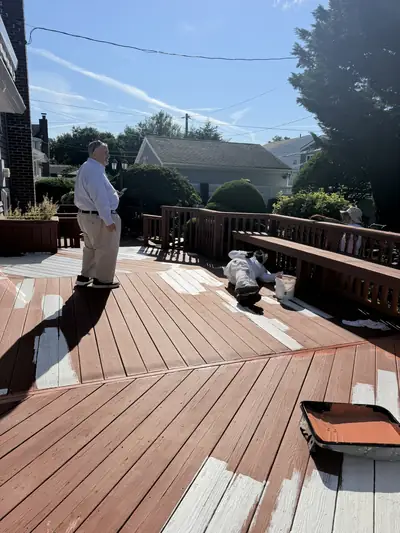
Choosing Exterior Colors
Exterior color should fit the architecture and the permanent elements around it. Consider roofing, stone, brick, gutters, concrete, neighboring properties, and landscaping. Also check any homeowners association or historic district requirements before finalizing a palette.
Most exterior plans use a body color, trim color, and one or more accents. Limiting the palette can create a calmer, more cohesive appearance. Contrast can highlight doors, shutters, gables, or porch details, but too many unrelated colors may make the elevation feel fragmented.
Large samples are especially valuable outside. View them on more than one side of the property because sun and shade can change the appearance dramatically. Check the samples during the morning and afternoon and compare them directly with the roof and masonry.
Brushing, Rolling, and Spraying
These application methods are tools, and one project may use all three. Brushing provides control on edges and details. Rolling can work paint into textured surfaces and create a consistent film. Spraying can apply an even coat efficiently on suitable areas when masking and environmental controls are thorough.
Quality depends on surface preparation, product choice, applicator skill, coverage, and attention to conditions. The method alone does not determine whether the result will last. Ask how the contractor will protect windows, roofs, vehicles, plants, and neighboring property, especially when spray equipment is used.
The Exterior Painting Process
Inspection and proposal
The contractor reviews each elevation and identifies the included surfaces, visible damage, access needs, and exclusions. The written proposal specifies preparation, products, coats, and cleanup.
Color confirmation and scheduling
Colors and placement are documented. The start window is planned around weather, material availability, and access.
Cleaning and preparation
The crew cleans the exterior, allows it to dry, and completes scraping, sanding, repairs, caulking, and priming within the scope.
Paint application
Body, trim, and accent colors are applied in a controlled sequence. Coverage and drying are monitored across different surfaces and elevations.
Detail review and cleanup
Masking and coverings are removed. The crew checks lines, coverage, fixtures, grounds, and access areas before the final walkthrough.
What Should an Exterior Painting Estimate Include?
A useful estimate should identify:
- Every included building, elevation, and surface
- Cleaning and preparation steps
- Minor repairs and clear limits on repair work
- Primer locations or conditions that trigger priming
- Paint manufacturer, product line, finish, and colors
- Coat or coverage expectations
- Treatment of doors, shutters, gutters, downspouts, foundations, and railings
- Access equipment and protection methods
- Cleanup, schedule, payment terms, and change procedure
- Insurance and licensing information where required
Specifics help you compare proposals based on the work rather than price alone.
Exterior Painting for Commercial Properties
Business properties add scheduling, access, safety, signage, tenant, and customer considerations. Work may need to occur in sections or outside peak operating hours. If you manage an office, retail building, restaurant, or other facility, review our commercial painting solutions for a process built around business continuity.
Request an Exterior Painting Estimate on Long Island
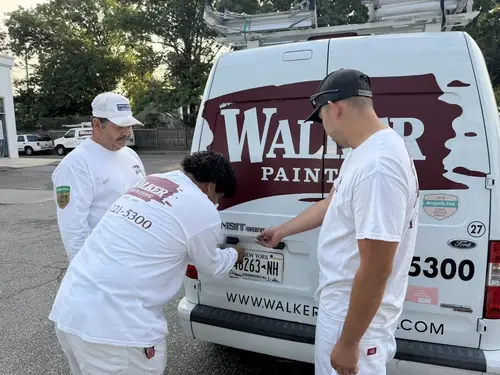
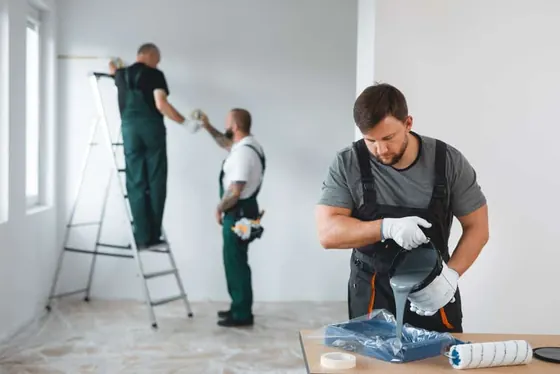
Exterior painting should begin with a clear assessment of the property, not a one-size-fits-all promise. Walker Painting can inspect the surfaces, explain the preparation needs, and provide a written plan for your home or property.
Call 516-447-2732 or request a free on-site estimate to discuss exterior painting on Long Island. Completed paint jobs include Walker Painting’s one-year written warranty against paint failure.
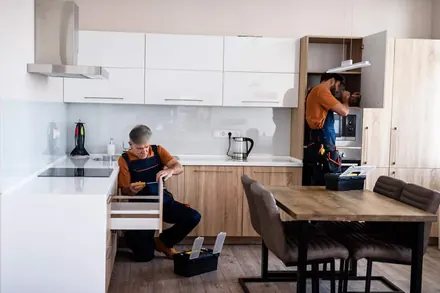
The part most painters skip is the part we’re known for
Prep, protection and paperwork. It is not glamorous, and it is the whole difference between a paint job that lasts and one that doesn’t.
Your home gets protected
We move everything to the center of the room, use casters so nothing scars the floor, and lay heavy canvas drop cloths, never plastic sheeting underfoot.
Lead-safe certified
We are a certified lead paint renovator and have completed the full certification coursework, which matters on almost every pre-1978 Long Island home.
One-year written warranty
Every paint job is covered by a one-year warranty against all paint failure. It is written down, and you get a copy.
Crews you can vet
Every employee is vigorously screened with multiple references. Most of our people have been with Walker Painting for 15 years.
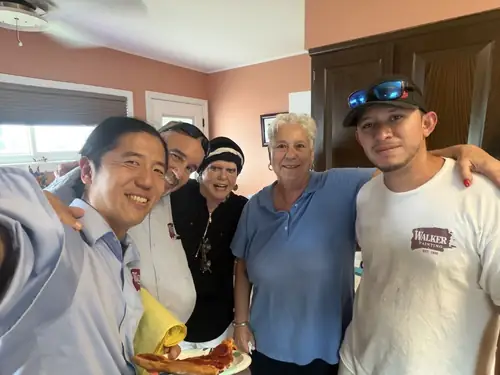
Rated 5.0 across 300+ Google reviews
WOW, thank you to Sal and his team. The professionalism and flexibility working with Sal was like no other. We would happily refer them to anyone looking for a team of caring people who do a tremendous job.
They are fully staffed, which is rare.
Paula’s exterior came with significant rotted wood. The crew handled the repairs without delay, and leaned on Dave and Sal to pick shades that stayed true to her home’s classic traditional style.
Exterior Painting FAQs
How long does exterior paint last?
Coating life varies with the surface, climate, exposure, preparation, product, color, and maintenance. Regular visual inspections can catch isolated problems before they spread.
Can you paint over peeling paint?
Loose paint should be removed and the remaining edges prepared. Painting directly over active peeling does not create a stable base.
Does the entire exterior need primer?
Not always. Bare areas, repairs, stains, adhesion concerns, and certain materials may need targeted or full priming. The condition and coating system determine the right approach.
Should I replace caulk before painting?
Failed caulk at paintable joints is often replaced during preparation. Some gaps are intentionally left open for drainage or ventilation, so caulking decisions should reflect the building assembly.
Can exterior painting be completed while I am away?
Often it can, provided the crew has agreed access to gates, power, water, windows, and any areas that must be opened. Confirm communication, security, pets, vehicles, and final walkthrough arrangements in advance.
Other services we offer
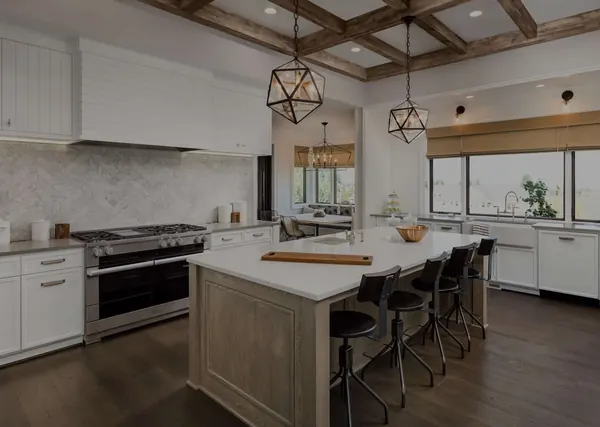
Interior Painting
Transform your living spaces with careful prep, quality materials, and a color palette that brings your vision to life.
Learn more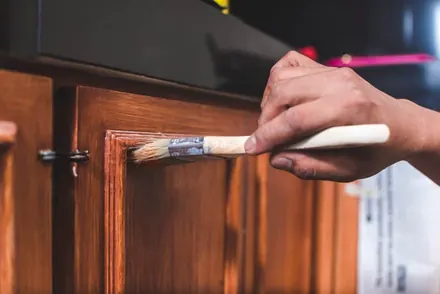
Cabinet Painting
Revitalize kitchen and bathroom cabinetry with expert precision and high-grade finishes that look factory-new.
Learn moreCarpentry & Repairs
Beyond painting, we restore the structural integrity and beauty of your space with expert carpentry and repair work.
Learn more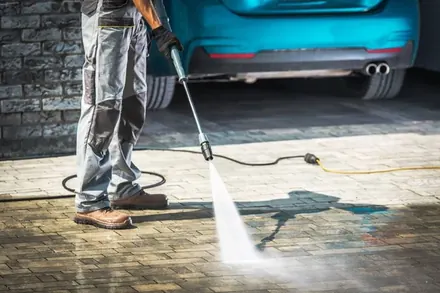
Power Washing
Comprehensive power washing to clean and prep your surfaces, restoring the brilliance of your exterior spaces.
Learn more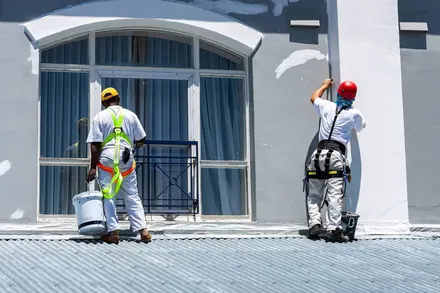
Commercial Painting
High-quality paint and skilled workmanship delivered on time and on budget, with minimal disruption to your operations.
Learn more
Color Consulting
Enjoy a free consultation with professional interior designers (whole-house projects) to select the perfect palette.
Learn more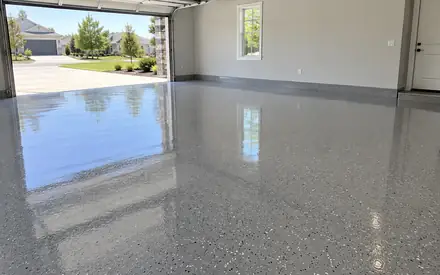
Epoxy Flooring Installation
Durable, high-gloss epoxy floor coatings installed in garages, basements and commercial spaces, built to handle daily wear.
Learn moreNot sure where to start?
Tell us about your project and we’ll recommend the right approach.
Request Free EstimateRequest your free estimate
Tell us about your project and we will get back to you fast. Get an estimate today. Paint tomorrow.
- Free on-site estimate, no obligation
- Nassau & Suffolk licensed, fully insured
- One-year written warranty on every job
- No job too small, even if it’s just one room
Get your free quote
Takes about a minute. We’ll follow up personally.
Request Free Estimate- One minute to complete
- No obligation, no pressure
- Ask about the Painter For A Day special
Prefer to talk? Call 516-447-2732