Faux Finishes on Long Island
Faux finishes use layers of color, glaze, texture, or specialized application to create visual depth beyond a standard solid wall color.
Faux Finishes That Add Depth Without Overwhelming the Room
Faux finishes use layers of color, glaze, texture, or specialized application to create visual depth beyond a standard solid wall color. The result can be quiet and architectural or intentionally dramatic. Success depends on restraint, a clear sample, skilled application, and a finish that belongs with the room’s light, materials, and scale.
Walker Painting offers faux finishes as part of its interior painting services across Nassau County, Suffolk County, Queens, and Manhattan. Because decorative work is highly visual, the planning process should establish the exact color, movement, sheen, texture, and sample approval before the full surface is completed.
Request Free Estimate
What Is a Faux Finish?
“Faux” means an artistic finish that suggests another material or creates a layered decorative effect. The goal is not always literal imitation. Many contemporary faux finishes simply add soft variation that changes with the light.
Depending on the surface and desired look, decorative painting may involve translucent layers, tonal variation, stippling, ragging, dragging, color washing, metallic accents, or other specialty techniques. Materials and methods should be compatible with the prepared wall and with each other.
The sample is essential. A verbal description such as “soft movement” or “old-world texture” can mean very different things to different people. A physical sample gives the client and painter a shared reference.
Where Decorative Finishes Work Best
Faux finishes can be considered for:
- A dining room or formal living area
- An entry or stair wall
- A fireplace or architectural feature
- A powder room
- A ceiling detail or tray ceiling
- An accent wall behind a bed or built-in
- Selected commercial reception or hospitality areas
- Existing textured walls where a coordinated decorative effect is appropriate
Not every room needs a feature finish. Open plans already contain many sightlines and materials, so one carefully chosen surface may have more impact than repeating the treatment everywhere.
For adjacent solid-color walls, ceilings, doors, and trim, coordinate the project with Walker Painting’s interior painting service.
Choosing the Right Faux Finish Style
Begin with the room rather than the technique. Consider architecture, furniture, flooring, stone, fabrics, art, and how long you expect the design to remain. A finish that is too high-contrast or thematically literal may dominate the space. A subtle tonal treatment can add depth while remaining flexible as furnishings change.
Ask these questions:
- Should the finish be noticeable immediately or reveal itself gradually?
- Is the room traditional, transitional, contemporary, rustic, or eclectic?
- Does the surface receive direct light that will emphasize texture?
- Are there permanent materials whose undertones must be repeated?
- Will art, shelving, or furniture cover much of the wall?
- How easily should the finish be cleaned or touched up?
Walker Painting’s color consulting service can help connect the decorative finish to the larger palette.
Subtle Tonal Finishes
Tonal finishes use related colors to create movement without strong contrast. They can soften a large wall, complement plaster-like architecture, or provide a quiet backdrop for furniture and art. The effect is usually controlled by base color, glaze or secondary color, tool choice, pressure, and the scale of the applicator’s movement.
Large samples are important because small boards can make variation look tighter and busier than it will on a full wall. View the sample vertically and under the room’s daytime and evening lighting.
Specialty and Accent Finishes
Metallic, pearl, or higher-contrast finishes can highlight ceilings, niches, moldings, or feature walls. These materials reflect light and may emphasize every surface imperfection. Preparation standards may therefore be higher than for a flat solid-color wall.
Specialty products also vary in application and repairability. Ask how seams, edges, corners, and future touchups will be handled. The written scope should identify the product system, sample, number of layers, included surfaces, and protection requirements.
Surface Preparation for Faux Painting
Decorative layers do not hide an unstable wall. Holes, cracks, peeling paint, rough patches, stains, and open seams should be repaired before the finish begins. Glossy or unknown coatings may require sanding or a bonding primer. Porous repairs should be primed so they do not absorb the decorative layer differently.
Because translucent finishes reveal variations beneath them, the base coat must be even in color and sheen. Corners and edges need consistent preparation. Walker Painting’s standard interior process includes plastering, sheetrock patching, sanding, spot priming, and protection before finish coats.
If the wall has deeper damage, see the guide to plaster and stucco repair before selecting the decorative treatment.
The Faux Finish Process
Define the goal
The painter reviews inspiration, room conditions, fixed finishes, lighting, and the surfaces to be treated. The discussion should focus on what you like about a reference rather than assuming it can be copied exactly onto a different wall.
Choose colors and materials
The base and decorative layers are selected as a coordinated system. Sheen and reflectivity are considered along with color.
Produce and approve a sample
A representative sample is prepared using the proposed materials and technique. Review it in the intended room, in its normal orientation, and at different times of day.
Repair and prepare the surface
Walls are patched, sanded, cleaned, primed where needed, and coated with the approved base. Floors, furniture, trim, and adjacent surfaces are protected.
Apply the decorative layers
The applicator works in a planned sequence to keep movement, overlap, and edges consistent. Large walls may require continuous work to avoid visible stopping points.
Review and document
The completed surface is inspected under normal lighting. Product names and colors should be retained for maintenance, even though hand-applied variation may make exact spot repair difficult.
Why Samples Matter More With Faux Finishes
Solid paint can be sampled with a color block. A decorative finish must also demonstrate pattern scale, contrast, texture, reflectivity, and the painter’s hand. Two applicators using the same colors can produce different results.
Approve the sample itself, not only a photograph from another project. Note any agreed changes in writing. When possible, keep the approved board available while the main work is completed.
Planning Edges, Corners, and Transitions
A decorative wall meets ceilings, trim, outlets, inside corners, and adjacent solid colors. These transitions influence whether the finish looks precise. Decide where the treatment begins and ends before application.
In open spaces, architectural breaks such as a corner, molding, beam, or doorway usually create a cleaner transition than stopping in the middle of a continuous plane. Outlet covers may be removed and reinstalled, while trim should be completed in the correct sequence to preserve clean lines.
Faux Finishes in Commercial Spaces
Decorative painting can give reception areas, restaurants, boutiques, offices, and hospitality environments a memorable visual identity. Commercial planning should address traffic, cleanability, brand standards, sample approval, working hours, and future repairs.
Walker Painting’s commercial painting service supports phased, night, and weekend work. Decorative finishes can be incorporated into that schedule when the scope and sample are approved in advance.
Maintaining a Decorative Finish
Cleaning instructions depend on the final product and sheen. Use a soft cloth and an approved mild cleaner, and test an inconspicuous area first. Avoid abrasive pads that can flatten texture or change reflectivity.
Spot repairs may be more visible than on solid paint because the finish is created through overlapping hand-applied layers. Save product information and discuss the most practical maintenance approach before the project closes.
Request a Faux Finish Estimate
The most successful faux finishes begin with a restrained concept, an approved sample, and careful surface preparation. Walker Painting can help you coordinate the decorative treatment with the colors, trim, and architecture around it.
Call 516-447-2732 or request a free on-site estimate to discuss faux finishes on Long Island.

The part most painters skip is the part we’re known for
Prep, protection and paperwork. It is not glamorous, and it is the whole difference between a paint job that lasts and one that doesn’t.
Your home gets protected
We move everything to the center of the room, use casters so nothing scars the floor, and lay heavy canvas drop cloths, never plastic sheeting underfoot.
Lead-safe certified
We are a certified lead paint renovator and have completed the full certification coursework, which matters on almost every pre-1978 Long Island home.
One-year written warranty
Every paint job is covered by a one-year warranty against all paint failure. It is written down, and you get a copy.
Crews you can vet
Every employee is vigorously screened with multiple references. Most of our people have been with Walker Painting for 15 years.

Rated 5.0 across 300+ Google reviews
WOW, thank you to Sal and his team. The professionalism and flexibility working with Sal was like no other. We would happily refer them to anyone looking for a team of caring people who do a tremendous job.
They are fully staffed, which is rare.
Paula’s exterior came with significant rotted wood. The crew handled the repairs without delay, and leaned on Dave and Sal to pick shades that stayed true to her home’s classic traditional style.
Faux Finishes FAQs
Are faux finishes outdated?
Decorative finishes cover a wide range of styles. High-contrast effects can feel tied to a particular period, while subtle tonal movement can work in current interiors. The design and application determine the result.
Do I need perfectly smooth walls?
The preparation level depends on the finish. Reflective or translucent products can emphasize flaws, while some textured effects are more forgiving. The painter should inspect the surface before confirming the scope.
Can I approve a sample first?
Yes. A representative sample is one of the most important parts of a faux finish project and should be approved before full application.
Can a faux finish be painted over later?
Usually, but texture, sheen, waxes, or specialty materials may require cleaning, sanding, priming, or skim coating first. Keep the product record for future work.
Can you create an exact copy of an inspiration photo?
An inspiration image can guide color and character, but lighting, surface, material, scale, and hand application create natural differences. Approve a project-specific sample as the standard.
Are faux finishes suitable for businesses?
Yes, when the selected system fits the brand, traffic, cleaning, and maintenance needs of the space.
Other services we offer
Interior Painting
Transform your living spaces with careful prep, quality materials, and a color palette that brings your vision to life.
Learn more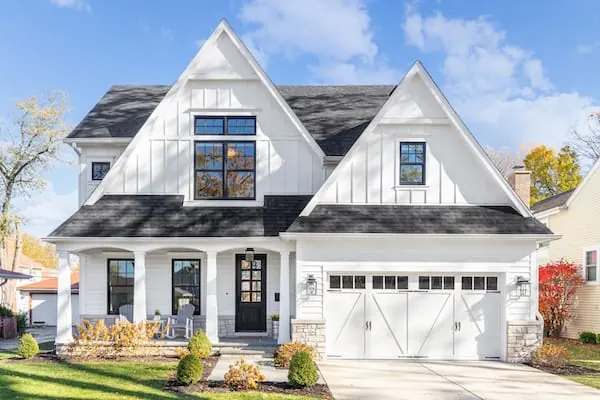
Exterior Painting
Protect and elevate your home’s curb appeal with durable, weather-ready finishes built for Long Island seasons.
Learn more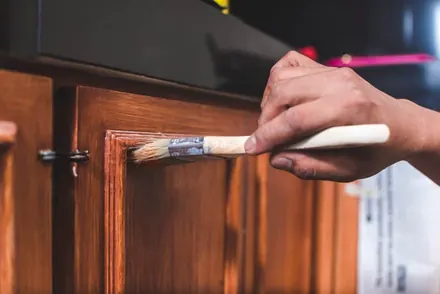
Cabinet Painting
Revitalize kitchen and bathroom cabinetry with expert precision and high-grade finishes that look factory-new.
Learn moreCarpentry & Repairs
Beyond painting, we restore the structural integrity and beauty of your space with expert carpentry and repair work.
Learn more
Power Washing
Comprehensive power washing to clean and prep your surfaces, restoring the brilliance of your exterior spaces.
Learn more
Commercial Painting
High-quality paint and skilled workmanship delivered on time and on budget, with minimal disruption to your operations.
Learn more
Color Consulting
Enjoy a free consultation with professional interior designers (whole-house projects) to select the perfect palette.
Learn more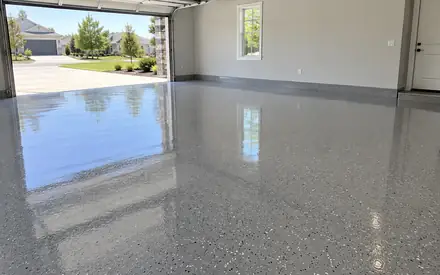
Epoxy Flooring Installation
Durable, high-gloss epoxy floor coatings installed in garages, basements and commercial spaces, built to handle daily wear.
Learn moreNot sure where to start?
Tell us about your project and we’ll recommend the right approach.
Request Free EstimateRequest your free estimate
Tell us about your project and we will get back to you fast. Get an estimate today. Paint tomorrow.
- Free on-site estimate, no obligation
- Nassau & Suffolk licensed, fully insured
- One-year written warranty on every job
- No job too small, even if it’s just one room
Get your free quote
Takes about a minute. We’ll follow up personally.
Request Free Estimate- One minute to complete
- No obligation, no pressure
- Ask about the Painter For A Day special
Prefer to talk? Call 516-447-2732