Exterior House Painting Cost Per Square Foot Explained for Long Island Homeowners
Walker Painting has priced exterior work across Nassau County and Suffolk County since 1995, on 12,000+ homes, and almost every homeowner opens with the same question: what is the rate by area? This page sets out Exterior House Painting Cost Per Square Foot Explained in plain terms, so you can read a written quote line by line. Measured wall area, home size, siding material, surface condition, trim, the number of coats, paint grade and access all change the labor hours a crew needs. Walker Painting puts a figure on your project from a free on site estimate, and every paint job carries a one-year written warranty against paint failure.
Understanding Exterior House Painting Cost Per Square Foot Explained
A rate by area is a shortcut, and the shortcut hides the two measurements that set the labor hours on a repaint.
Measured Wall Area, Not the Footprint
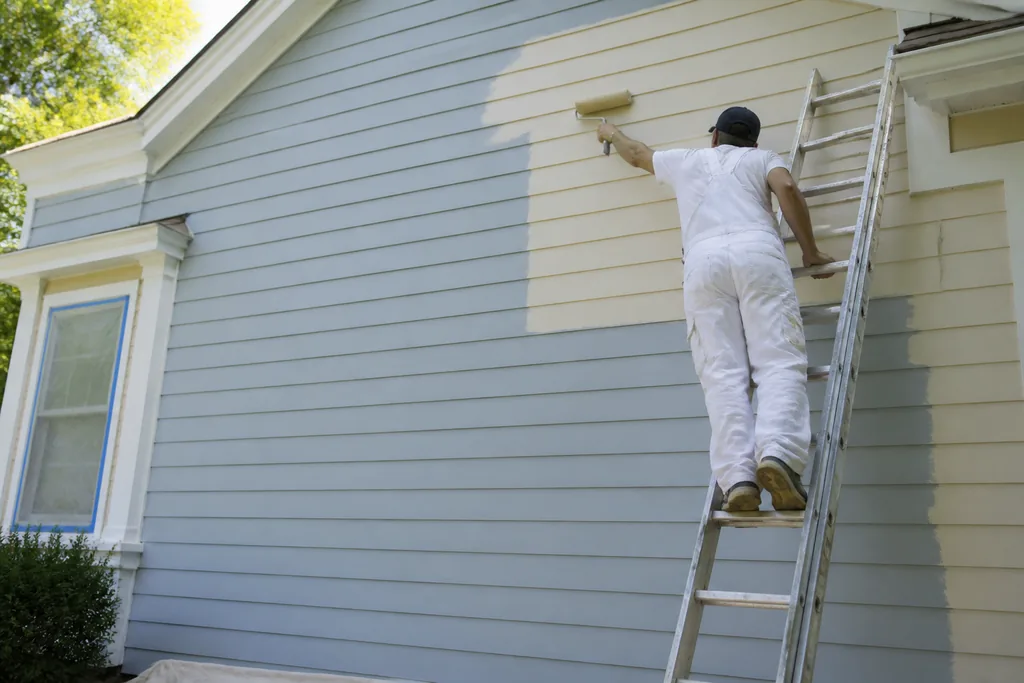
Your floor plan describes the ground the building covers, while a painter measures the walls, the gables and the trim that actually take paint. An estimator walks each elevation with a tape, subtracts the windows and the doors, then adds the soffits, the fascia, the rake boards and the porch ceilings. Two houses with the same floor plan hold very different wall area, because a center hall colonial with a walk out gable carries more siding than a low ranch. That is the first reason a single rate drifts: the denominator changes from one address to the next.
Walker Painting records those measurements on site, so the exterior house painting cost in your proposal rests on your walls rather than on a national average.
Why One Rate Cannot Price a Whole Home
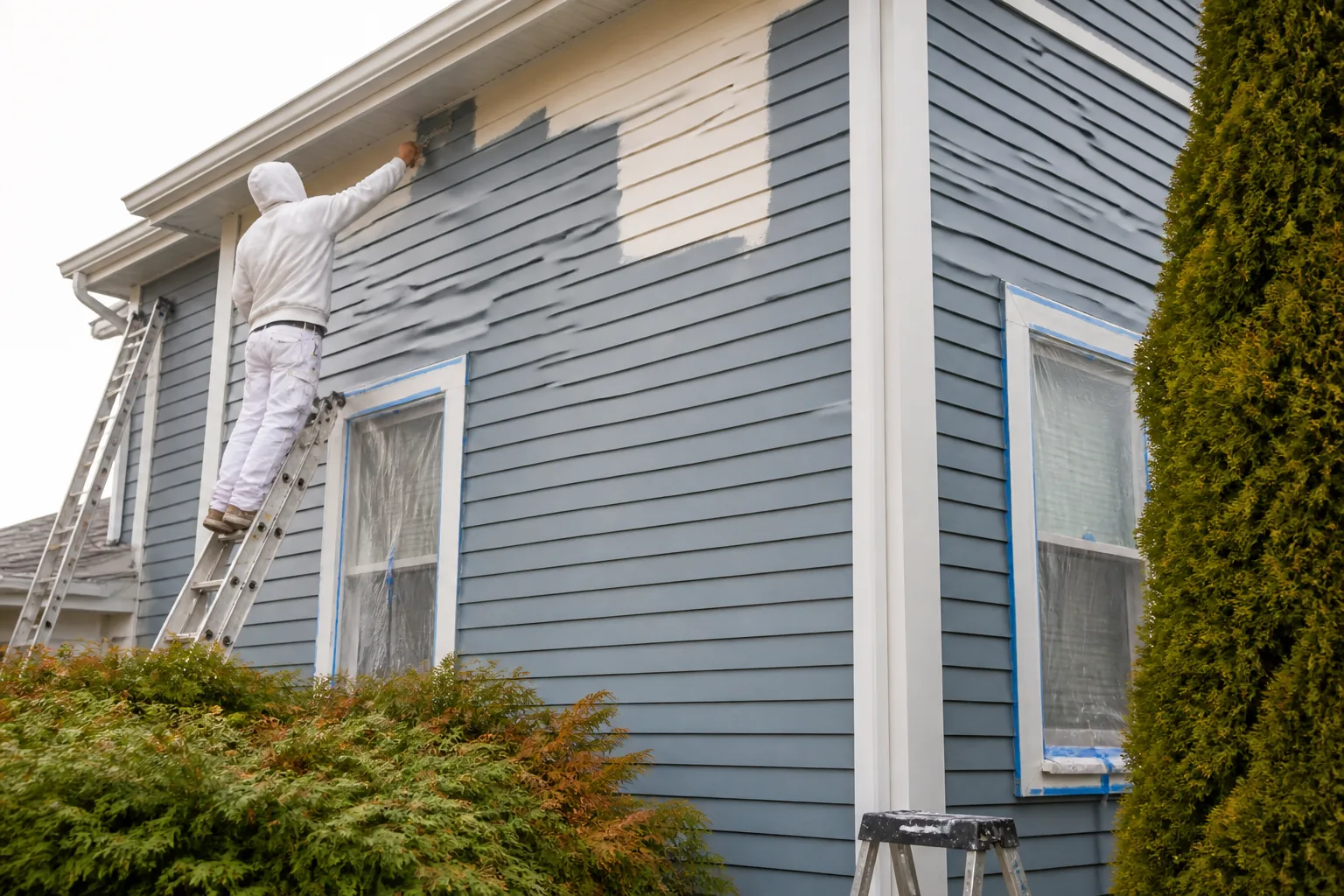
A single rate assumes every surface takes the same hours, and no home works that way. Bare cedar shake drinks primer and needs a spot prime pass before the finish coats. Sound vinyl siding takes one wash and two coats, and the crew is off the ladders in half the time. Stucco swallows material on a rough float finish, while smooth fiber cement spreads thin and even. The same gallon of paint therefore covers a very different area depending on what it lands on.
Online tools muddy this further. A calculator on a directory page multiplies your floor plan by a national figure it never measured, and the output ignores the peeling on your north wall. Walker Painting prices exterior painting from a free on site estimate instead, because the drivers below decide the number.
What Goes Into a Written Proposal
A written proposal names the surfaces, the preparation, the number of coats, the paint grade and the access the crew needs. It separates the labor line from the material line, so you can see where the hours go. It lists the repairs that have to happen first, such as replacing rotted wood or patching water damaged drywall on a porch ceiling. It states the finishes, and moldings are usually painted with semi-gloss paint. Read two quotes side by side and the scope, not the rate, is where they differ. Ask what the proposal does with the gutters, the storm doors, the garage door and the foundation band, because those surfaces are easy to leave out of a figure and expensive to add later. Ask how many gallons of each product the crew has allowed, since materials are the one line you can verify on a label. A proposal that names its materials, its hours and its warranty is a document you can hold a contractor to.
Factors Influencing Exterior Painting Costs
Seven drivers move the labor hours on a Long Island repaint, and each one of them moves the exterior painting cost with it.
Home Size, Stories and Access
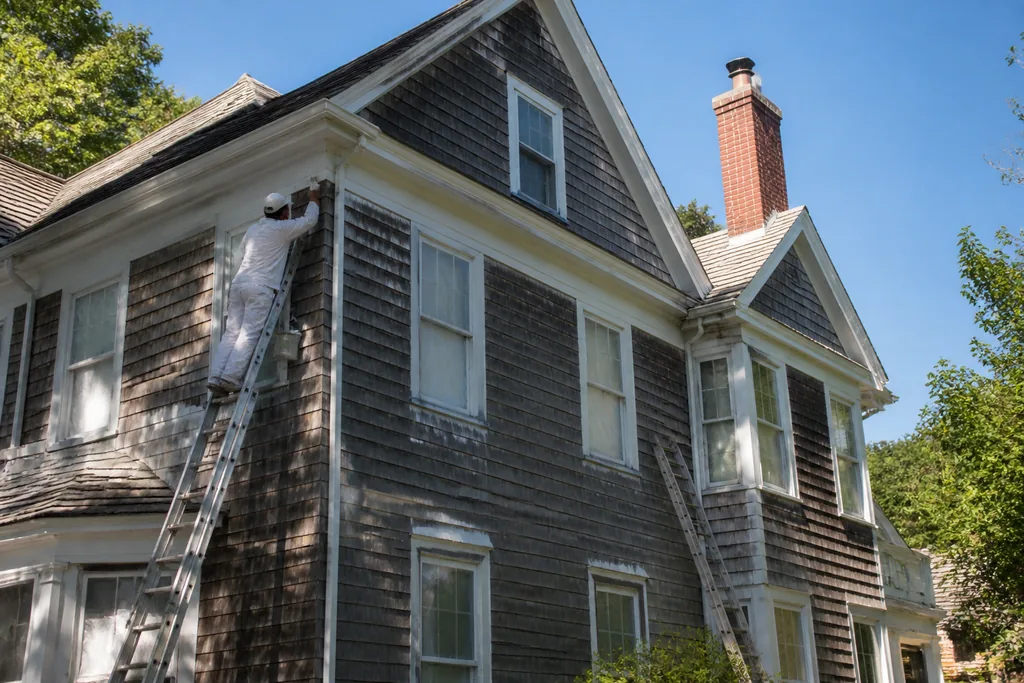
Size sets the wall area, and height sets the staging. A one story ranch takes step ladders and a short extension, while a three story Victorian needs tall ladders, planks and more set up time on every elevation. A deck that crowds the back wall, a driveway that cannot hold the van, shrubs against the foundation and a neighbor's fence two feet off the siding all slow the crew down. Those access problems are invisible on a floor plan and obvious in ten minutes on site.
Siding Material: Wood, Vinyl, Stucco and Cedar Shake
Siding material decides how much preparation and how much product the job uses. Cedar shake and clapboard hold the most prep, because wood splits, cups and feeds tannin through a thin coating. Vinyl needs a careful wash and a product rated for flexible surfaces. Stucco and masonry take a thicker film and a masonry primer at hairline cracks. Fiber cement is the steadiest of the group, and its factory finish usually only needs cleaning and two coats.
Why Surface Condition Adds Preparation Hours
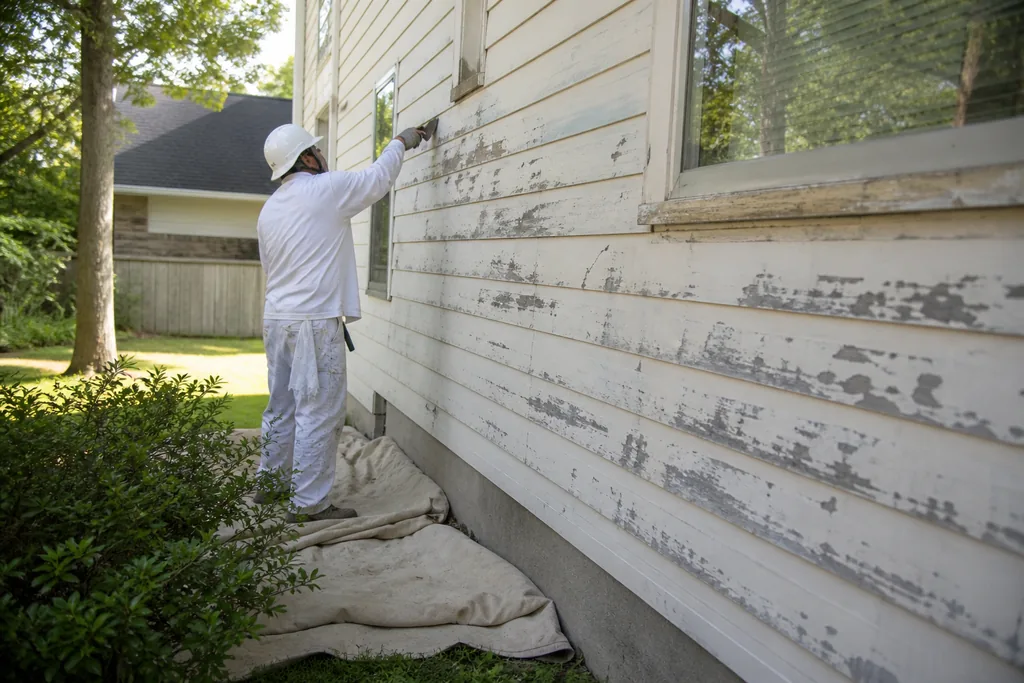
Surface condition is the driver homeowners underestimate most. Most houses that Walker Painting paints are power washed first, and that wash is where loose chalk and mildew leave the walls. Scraping, sanding, caulking the joints and spot priming the bare patches follow, and prep typically takes more hours than the finish coats on a 1950s cedar shake home. A sound surface skips most of that work. A weathered south elevation does not, and the gap between the two is explained by hours, not by a rate.
Trim, Detail Work, Coats and Paint Grade
Trim is slow work. Window casings, shutters, rake boards, a railing and a front door are all cut in by hand, so a home with deep detail carries more hours than its wall area suggests. The number of coats matters next: a color change over a dark field usually needs two full coats, and bare wood needs a primer under them. Paint grade changes hiding power and film build, and paints and coatings makers publish a spread rate on the label that tells the crew how far one gallon goes on bare wood. A higher grade product that covers in two coats can cost less installed than a thin one that needs three.
Long Island Climate and Weathering
Climate closes the list. Salt air near the bays, wind driven rain and freeze and thaw cycles all shorten a coating's life, and south facing walls show weathering first. The painting season also has edges: the crew watches surface temperature and dew point so a finish cures instead of blushing. Walker Painting is licensed in Nassau and Suffolk counties and carries liability insurance for New York City work, so the same standards travel to Queens and Manhattan.
How Our Exterior Painting Process Works, Step by Step
Our exterior workflow runs in five steps, and the prep stage is the one that decides how long the finish lasts.
- Inspection and a written proposal set the scope, the surfaces and the paints.
- Color confirmation and scheduling lock the shades and the start date.
- Cleaning and preparation covers power washing, scraping, sanding, repairs, caulking and priming.
- Paint application follows, with the agreed number of coats on siding, trim and doors.
- A detail review and cleanup close out the work before the crew leaves.
Protection is part of that sequence. Heavy canvas drop cloths protect the floors, and furniture is moved to the center of the room on casters whenever interior work runs alongside the exterior.
How Exterior Work Connects to Our Other Services
One crew covers the rest of the property too. Carpentry and repairs handle rotted wood and shingles before a drop of paint goes on. Power washing cleans siding, walkways and a deck, and staining or painting that deck runs in the same visit. Cabinet painting is a separate specialty, and its estimates include an actual door sample and photos. Epoxy flooring in a high-gloss or satin finish covers the garage slab, and commercial painting takes the same methods into offices, retail interiors and warehouses.
Why Long Island Homeowners Choose Our Painters
Professional painters are judged on the parts of the job you cannot see once the ladders come down.
- The company started in 1995 and carries 30+ years of residential and commercial work.
- Most of our painters have been with the company 15+ years, so a trained hand does your prep.
- All employees are vetted and reference-checked, and each one brings multiple references.
- Licenses cover Nassau and Suffolk counties, with liability insurance for New York City work.
- The crew is a certified lead paint renovator and lead-safe certified for pre-1978 homes.
- Every job carries a one-year written warranty against paint failure.
- Customers rate the company 5.0 stars across 300+ Google reviews.
A vetted crew that returns year after year is also why the measurements in your proposal hold their value: the same painter who measured your walls is often the one on the ladder.
What Else to Check on Exterior Painting Costs
Two habits make budgeting a repaint easier, and both of them start before you ask for quotes.
How to Compare Two Written Quotes
Line the two proposals up by scope first. Check the number of coats, the primer, the caulking, the wood repairs and the paint grade, then check who washes the house and who moves the furniture. Estimate spreadsheets truncate a long column heading, so one line reads paintin and the next reads painti where both mean painting, and two quotes with different column widths still describe the same walls. Ask each estimator which surfaces the figure covers and which ones it excludes. A do it yourself repaint (DIY) trades labor hours for your weekends, and the ladder time on a second story is the part most homeowners hand back to a professional.
An online estimator is a sanity check, never a quote. Treat its output as a range, write down the assumptions it made about stories, siding and prep, then hand that list to the estimator who walks your property. Weather and the calendar matter here too: a repaint booked for early spring competes with every other homeowner on the block, while a late season start gives the crew more room and you a firmer date.
Colour Psychology, Hues and the Free Color Consultation
Colour psychology drives which shades a family likes, and it does not move the material line much: light and dark hues in the same product line usually price the same. A deep color over a pale field can add a coat, and that is the one place shade choice reaches the budget. Walker Painting offers a free color consultation on whole-house projects, so you can settle the palette before the proposal is written. Use the consultation to confirm trim and door shades too, since those surfaces are cut in by hand.
Schedule a Free On Site Estimate for Your House Exterior
You now have the Exterior House Painting Cost Per Square Foot question answered from the inside, which is the honest version: the drivers decide the figure, so the figure comes from your walls. An estimate from Walker Painting is free, on site and carries no obligation, and the listed price range for the company is $$. Phones are answered 24 hours a day, 7 days a week, and crews can start as early as the next day. Get an estimate today. Paint tomorrow. Call 516-447-2732 or Get a Free Estimate through the contact form.
Exterior House Painting Cost Per Square Foot Explained FAQ
Questions Long Island homeowners ask when a quote lands in the inbox.
How much does exterior house painting cost on Long Island?
There is no honest flat rate, because wall area, siding material and surface condition differ on every street. Walker Painting measures the walls on site and writes the figure into a proposal, and the estimate is free with no obligation.
What increases exterior painting costs the most?
Preparation hours move the total further than any other line. Scraping, sanding, wood repairs, caulking and spot priming on a weathered surface take longer than the two finish coats that follow.
How often should a house exterior be repainted?
Watch the surface rather than the calendar. Chalking, hairline cracks in the caulk, peeling on south facing walls and bare wood at the rake boards all say the coating is done.
Does paint quality really matter on an exterior repaint?
Paint grade changes hiding power, film build and how the finish holds color. A higher grade product can cover in two coats where a thin one needs three, so the material line and the labor line move together.
Why does choosing the right exterior paint matter for a coastal home?
Salt air, wind driven rain and sun on the south elevation all attack a coating. A product built for exterior wood or masonry resists that weathering, and the one-year written warranty covers paint failure.
Does Walker Painting inspect the house before giving a price?
Yes. An inspection opens the exterior workflow, and the proposal that follows names the surfaces, the prep, the coats and the paints. Phones are answered 24 hours a day, 7 days a week, and crews can start as early as the next day.