Exterior House Painting Prices: What Affects the Cost? Siding, Prep and Labor Factors on Long Island
Exterior House Painting Prices: What Affects the Cost? gets a straight answer first: wall area, wall height, siding material, surface condition and hand detail move a proposal far more than any paint label does. Walker Painting has priced repaints across Nassau County since 1995, and an estimator walks a property, counts stories, reads siding condition and writes a line by line breakdown before any figure appears.
This guide names each factor an estimator measures on site, then shows how a wood house, a brick house and a vinyl house each take paint differently. No average cost from a national chart appears below, because a chart has never seen your own walls.
Get a Free Estimate or call 516-447-2732,answered 24 hours a day, 7 days a week. Color Consulting
- Walker Painting has painted 12,000+ homes since 1995.
- Estimates are free, on-site and carry no obligation.
- Every paint job carries a one-year written warranty.
- Our vetted crew is lead-safe certified for pre-1978 homes.
Exterior House Painting Prices: What Affects the Cost?
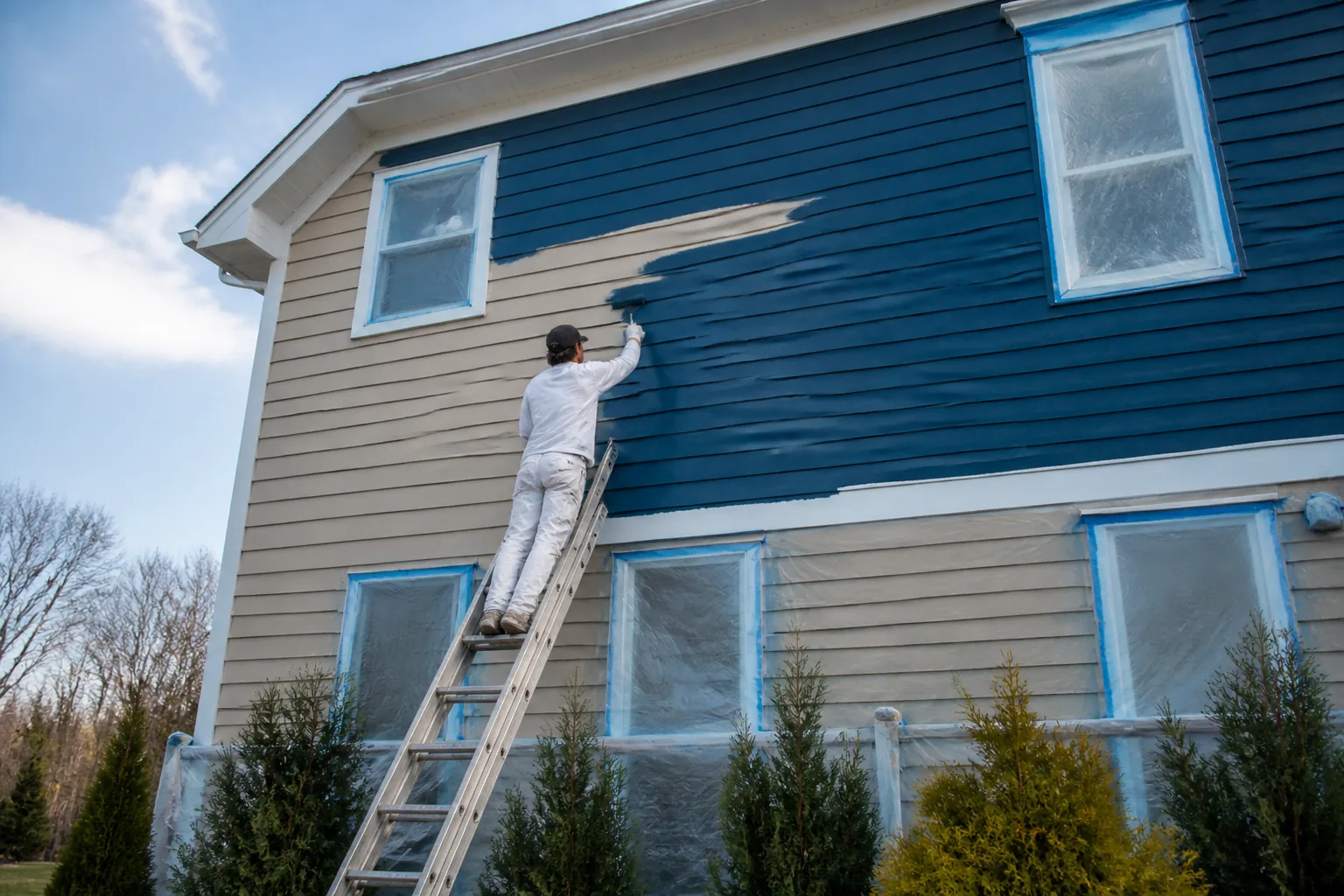
Five measurable things carry most of a proposal. Surface area comes first, since a crew coats square footage, not rooms. Height comes second, because a two story home needs ladders or scaffolding where a ranch needs neither. Siding material comes third, so wood drinks primer, masonry wants a breathable finish and vinyl wants a careful shade check. Surface condition comes fourth, and peeling paint turns a half day of prep work into three days. Hand detail comes last, where trim, windows, doors and railings eat painting hours that open wall never does.
Painting labor, not product, is where most of a figure sits. Materials matter, yet a gallon of exterior paint buys a small share of a job next to what a painter earns covering that same wall. That is why the exterior painting work a house needs drives a proposal harder than a product shelf does.
Two things move a figure less than homeowners expect. Paint quality changes material cost, yet a gap between a mid grade gallon and a top grade gallon stays small beside labor, so our painters specify a better product and gain it back in coverage. Color choice is free in itself, though a shade you pick does affect how many coats your walls need, and that is a labor question rather than a product one.
The Cost Factors Our Estimators Measure on Site
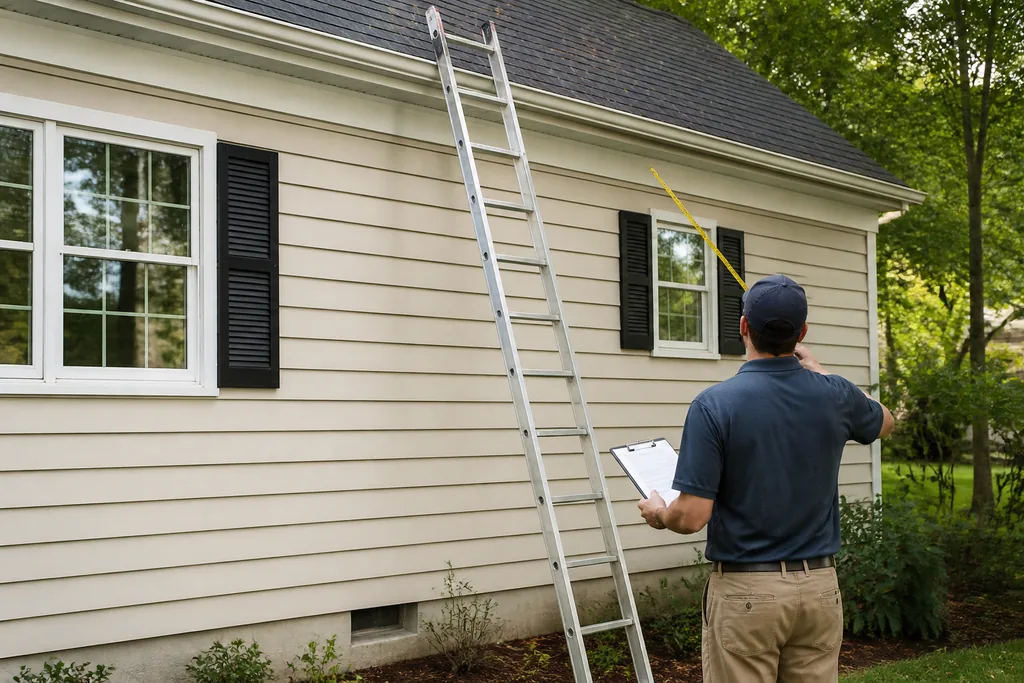
An estimator arrives with a tape measure, a clipboard and a ladder. Nothing gets quoted off a phone call, because siding condition only reads up close.
House Size, Stories and Surface Area
Square footage of wall, not floor, sets a baseline. Larger homes carry more siding, more trim and more primer, so they take more days. Stories count just as much, because a crew working above a first floor moves ladders, sets scaffolding and ties off, which slows every pass. A dormer, a gable peak or a wall above a deck adds reach time that flat square feet never shows.
Wall area gets measured, never guessed from bedroom count. A compact two story colonial can carry more siding than a sprawling ranch of equal floor area, because a second story doubles wall height on each elevation while its roof footprint shrinks.
Two homes of the same square foot number can differ in complexity, since a porch, a bay window and a dormer each carry their own factors. An older porch may need carpentry before any primer goes on, and our estimator prices that repair as its own line based on a ladder check.
Siding Condition and Prep Work
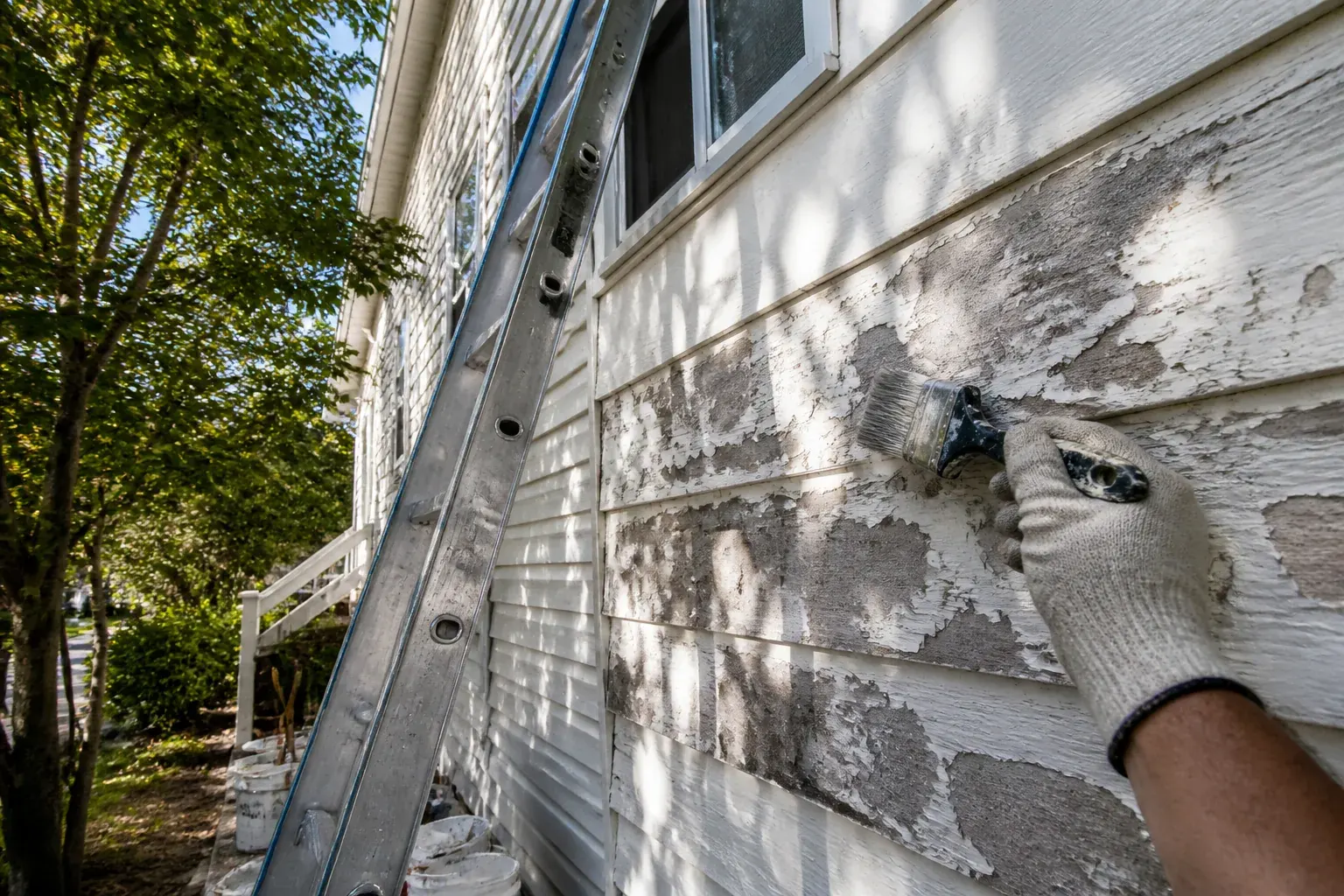
Condition is where two houses of equal size part company. Scraping, sanding and caulking hours get counted before any coat, and the house exterior our painting crew preps across two full days costs more than one that needs four hours.
Walker Painting power washes most houses first, which lifts chalk, pollen and mildew off siding so a fresh coat gets real adhesion. Carpentry found during prep adds its own line: rotted wood, loose shingles, split molding and water damaged sheetrock all get repaired before painting. A house built in 1978 or earlier needs a certified lead paint renovator, and lead-safe containment adds time.
Peeling, blistering and chalking all read differently to a trained eye. A wall that chalks wants washing and a bonding primer, while a wall that peels wants loose film taken back to a sound edge first, and that is hand work with a scraper and a sander.
Trim, Windows, Doors and Hand Detail
Open wall moves fast. Trim does not. Window sashes, door casings, soffits, fascia, railings and shutters get cut by hand with a brush, and the painting hours a large house exterior takes climb with every piece of detail. Moldings are usually painted with semi-gloss paint, which means a second product and a second pass.
Access, Masking and Landscaping
A crew needs room to work. Shrubs tight against siding, a fence, a pool deck or a narrow side yard all slow setup, and heavy canvas drop cloths go down before any paint opens. A color change raises hours too, since covering a dark wall with a pale shade can need an extra coat while a repaint in a close shade needs fewer coats. Driveway room for a van and a clear path to an outdoor spigot both save setup minutes, and minutes add up across a job of several days.
Understanding General Pricing for Exterior House Painting
How a Written Proposal Is Built
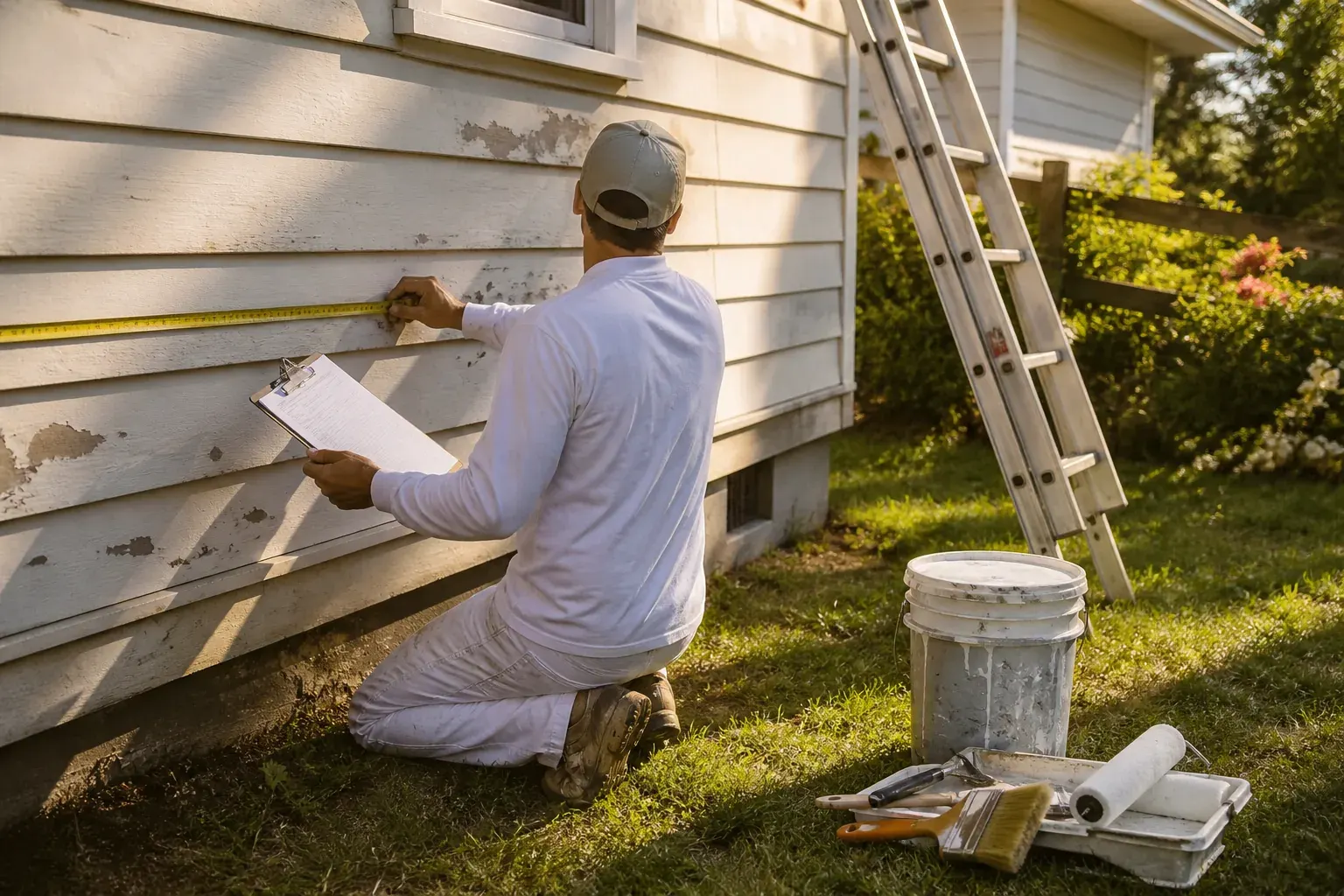
Pricing here gets built from measured quantities, never from a rate card. An estimator records wall area, stories, siding type, repairs required and trim count, then prices labor, materials and equipment against those numbers. Everything lands in one written proposal, and a homeowner reads each line before signing.
A total cost on paper is mostly labor costs plus materials and equipment. Gallons of paint and primer are a small share, and hours are nearly all of it. A DIY (do it yourself) repaint trades those hours for your own weekends, while a professional contractor still has to cover ladders, scaffolding, insurance and payroll. Painting cost per square foot shows up on every national chart, yet that number is an average across unseen houses.
Quantities drive the arithmetic in both directions. A smaller house under forty years of layered paint can price above a larger house re-coated eight years ago, and a proposal shows exactly why: more scraping hours, more primer, more carpentry. Reading each line is the whole point of a written estimate.
Why a National Average Misses Your Own Walls
Search results for house painting are full of a published average cost and a tidy figure per square foot. Those ranges come from thousands of unseen homes, and a national range cannot know that your south wall faces salt air or that two porch columns need repairing. Walker Painting quotes the actual cost of your own property after a visit, and estimates are free, on-site and carry no obligation.
Local labor rates across Nassau County differ from upstate rates, and local demand peaks in spring. A few tips save money without cutting corners. Ask for a quote outside peak demand. Keep a color close to a shade already on your siding. Clear shrubs and patio furniture yourself. Bundle carpentry into one visit rather than two. Homeowners comparing house painters should ask each one how prep work gets handled, because prep is where a finish lives or dies. Customers who ask about saving money are asking about labor hours, and bundling two projects into one visit is the honest answer.
Cost Variations by Siding and Exterior Type
Material changes prep, product and pass count, so two houses of identical size can price differently.
Wood Siding, Shingles and Clapboard
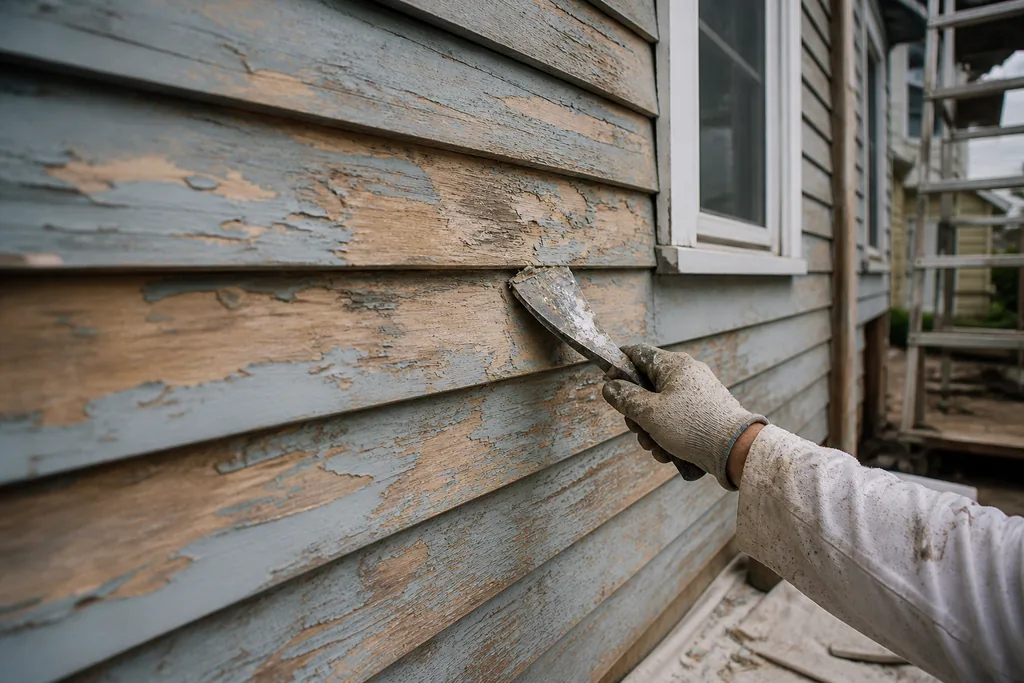
Wood siding is thirsty and it moves with weather. Scraping, sanding, spot priming and caulking take real hours on clapboard, and cedar shingles hold paint only after a thorough clean. the exterior walls of a wood house our painting crew sands take spot primer before a finish coat lands. Clapboard also opens at the joints as it dries, so caulking is a measured item here rather than an afterthought.
Brick, Masonry and Stucco
Brick and masonry are porous, so they drink more product and want a breathable finish. Stucco adds crack repair before priming. Coating a masonry wall is close to a one way decision, which is why our estimator talks a homeowner through it on site. the painting plan for a brick house exterior starts with a porosity check. Masonry that was coated once already is a different job again, since the old film has to be sound before anything new goes over it.
Vinyl, Aluminum and Fiber Cement
Vinyl takes paint well once washed, though a dark shade over light vinyl can warp panels, so shade choice gets checked first. Aluminum chalks heavily and needs a bonding primer. Fiber cement holds coatings well and mostly wants clean, dry surfaces plus fresh caulk at every joint. Aluminum and fiber cement both reward patience at a washing stage, and our crew checks that panels are dry to the touch before a first brush opens.
General Cost Information for a Long Island Repaint
A few general notes help a homeowner read the proposal for an exterior paint job, whatever the siding on a home turns out to be. These notes hold for residential work across our service areas in Nassau County, Suffolk County, Queens and Manhattan.
Square footage of wall is the unit a whole estimate rests on. An estimator walks each elevation with a tape measure, records the width and the height, subtracts window and door openings, then turns those square feet into painting hours and gallons of paint. A budget copied from a neighbor rarely holds, because the house next door carries different siding, different trim and a different surface condition.
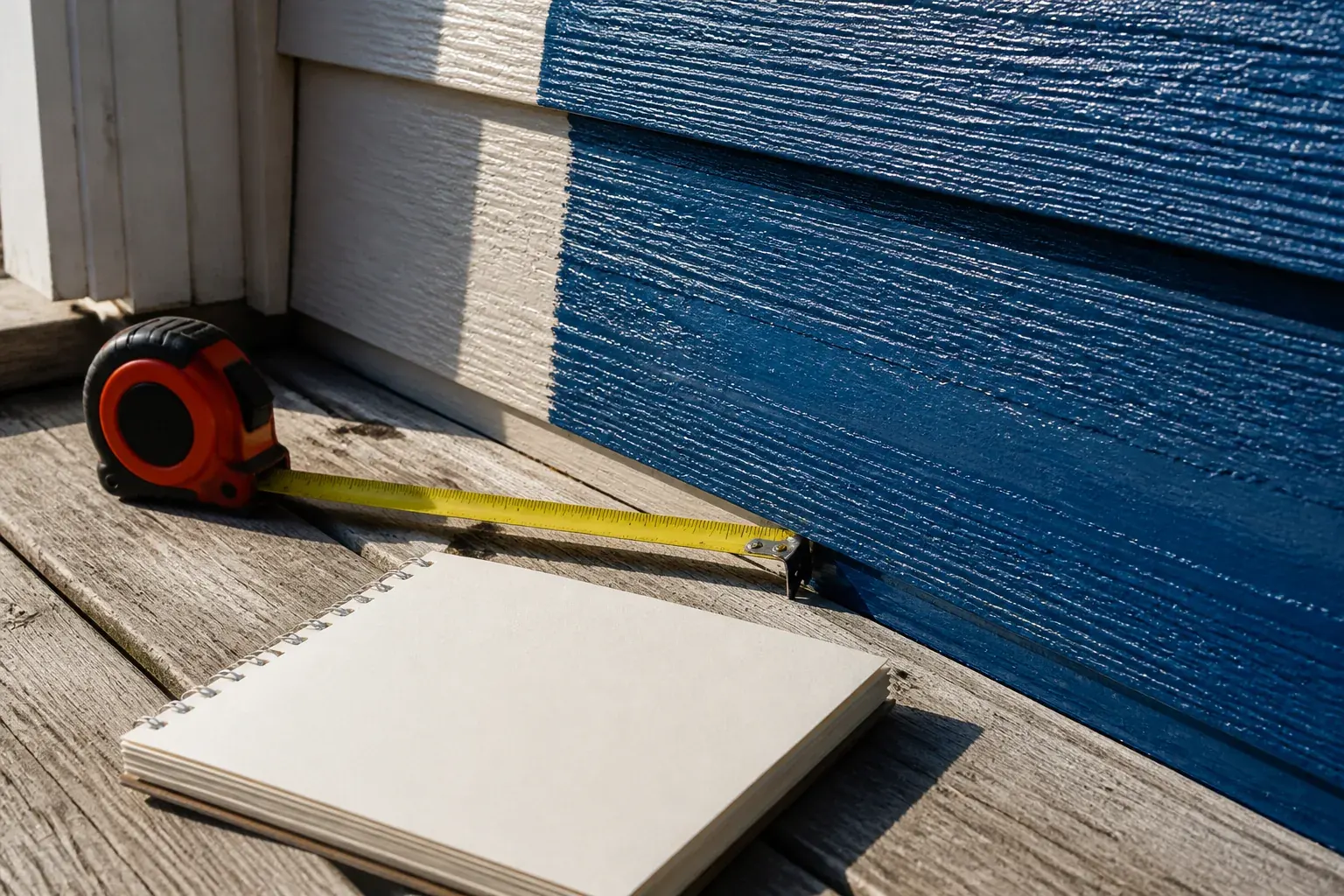
That is also why the range behind any published average cost runs so wide. The low end of that range covers a small ranch with sound vinyl panels, and the high end covers a three story home under decades of layered paint. Your own home sits between those two, and only a site visit can say where. Cost per square foot is a useful way to think about this work.
Location changes a figure twice. Labor costs differ between regions, so the going rate on Long Island is not an upstate rate. Local climate matters more. Salt air off the South Shore, August humidity and a February freeze all affect the window for exterior paint, and our crew works inside that window rather than against it.
Time of year changes a schedule too. Late spring through October is the honest season for exterior work in this climate, and local demand peaks in those same months. A homeowner who books preparation early in the season may get a start date weeks ahead of one who calls in September.
Exterior paints today are mostly acrylic latex, and latex breathes, flexes with siding and holds a color through a Long Island summer. Durability is the term that matters on the materials line, because a finish that holds for years costs less per year of protection than one that fails early.
Protection is the real product behind an exterior paint job. Paint seals end grain on clapboard, nail holes in cedar shingles and joints in fiber cement, so water stays outside the wall. Most of that protection is bought with preparation, which is why our painter counts scraping, sanding and caulking as measured items on a painting project.
Our Exterior Painting Process, Step by Step
Our exterior painting workflow runs in five steps, and the exterior siding on a house our painting crew coats passes through every one.
- Inspection and a written proposal record wall area, siding type and repairs.
- Color confirmation and scheduling lock a start date.
- Cleaning and preparation covers power washing, scraping, sanding, repairs, caulking and priming.
- Paint application puts coats on siding, trim, windows and doors.
- A detail review and a cleanup close out a job.
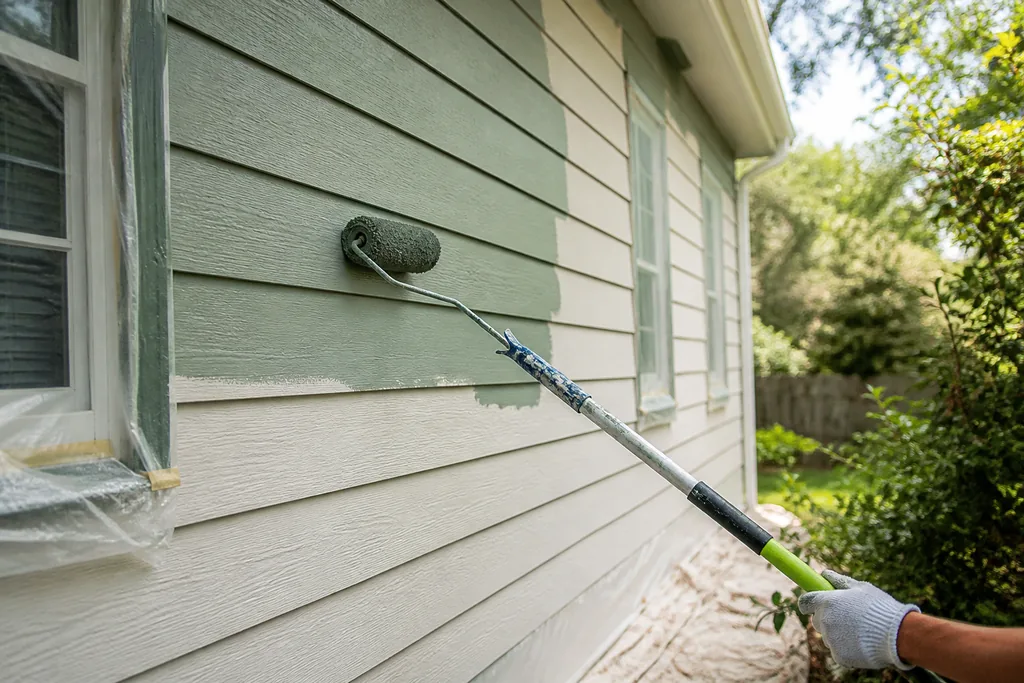
Each step gets written into the proposal, so nobody has to guess which of the five a crew is on. Our painters walk a property with the homeowner at the detail review, and anything on the punch list gets handled before the ladders come down.
Crews can start as early as the next day, and phones are answered 24 hours a day, 7 days a week.
Power Washing, Priming and Coats
Most houses get power washing first, and walls then dry before primer. Bare wood, chalked aluminum and patched masonry take spot or full priming. Finish coats go on by brush, roller or spray depending on surface and weather conditions, and a crew stops when extreme temperatures, humidity or rain would hurt adhesion. Late spring through October suits exterior work in a coastal climate like ours. Weather conditions typically influence the materials required on a given day, so our crew checks humidity and surface temperature before a can gets opened.
Repainting is maintenance, not a one time event. A sound finish on Long Island typically holds several years before chalking and peeling show up, and salt air near water shortens that span by months. A fresh coat protects siding and lifts curb appeal at once, so that result matters to owners who plan to stay as much as to owners who plan to sell. Removing loose paint and repairing trim early is necessary if a repaint is to last, and professionals who use honest prep work will say so.
Why Long Island Homeowners Choose Walker Painting
Walker Painting has painted 12,000+ homes and holds 30+ years in business. Most of our painters have been here 15+ years, and all employees are vetted and reference checked. We are licensed in Nassau and Suffolk counties and carry liability insurance for New York City work.
Nassau County is our primary service area, and our crews also work across Suffolk County, Queens and Manhattan. Every paint job carries a one-year written warranty against paint failure, and a whole-house project includes a free color consultation. Our rating sits at 5.0 stars across 300+ Google reviews. Phones are answered by a person, and one office books your estimate and schedules a crew.
Other Services That Pair With an Exterior Repaint
One vetted crew covers inside and outside. Interior painting handles walls, ceilings and high ceilings after plaster and spackle repairs. Interior painting booked in the same season shares setup costs with an exterior repaint, since one office schedules both crews. Cabinet painting is a specialty here, with an actual door sample shown at your estimate. Epoxy flooring comes in high-gloss or satin with optional decorative flake. Power washing is offered as its own service, while commercial painting covers offices, retail interiors and warehouses. Painting exterior trim, carpentry and wall covering all sit on one proposal, which keeps home improvements and home renovations under a single crew.
Schedule a Free On Site Estimate
So, Exterior House Painting Prices: What Affects the Cost? Your own answer arrives in writing once an estimator measures your walls, reads siding condition and counts trim. Estimates are free, on-site and carry no obligation, and professional painters from our own crew do every hour of work. Bring your questions about siding, shade and timing to the visit, since the estimator can answer all three standing at the wall.
Get a Free Estimate or call 516-447-2732, answered 24 hours a day, 7 days a week.
Exterior House Painting Prices FAQ
Six answers from estimators who walk a property, since every figure arrives in writing after a visit.
How long does it take to paint a house exterior?
A straightforward repaint runs a few days once prep work is done, and heavy scraping, carpentry or rain can stretch that into weeks. Our estimator writes a day range into your proposal, based on wall area, stories and surface condition.
Does Walker Painting power wash before painting?
Most houses that Walker Painting paints are power washed first. Pressure lifts chalk, pollen and mildew off siding, and walls dry before primer so a fresh coat bonds properly.
Can you paint over lead paint on an older Long Island home?
Walker Painting is a certified lead paint renovator and is lead-safe certified for pre-1978 homes. Our crew uses lead-safe containment and cleanup on any house of that age.
Do I need a permit to paint my house?
Rules differ by village and town, so our estimator reviews on site everything your job needs. Nothing gets assumed off a phone call.
How many coats are included?
Coat count is written into your proposal, since a color change over a dark wall can need an extra coat while a repaint in a close shade needs fewer coats. Priming sits inside our exterior workflow wherever bare or chalked surfaces turn up.
Do you provide a warranty?
Every paint job is covered by a one-year written warranty against paint failure. Our painters also return for a detail review and a cleanup before a job closes.