
Exterior House Painting on Stucco: What You Need to Know
Walker Painting has repainted masonry walls across Nassau County since 1995, and Exterior House Painting on Stucco: What You Need to Know is the question our estimators field every spring.
The short answer: a masonry wall is porous, it moves as the weather swings, and it takes a breathable acrylic over patched hairline cracks and clean, dry render. Prep decides the result far more than the label of the paint, so this guide walks the hose down, the patching, the masonry primer and the finish coats in order.
Get a Free Estimate or call 516-447-2732,answered 24 hours a day, 7 days a week. Color Consulting
- Walker Painting has painted 12,000+ homes since 1995.
- Every paint job carries a one-year written warranty.
- Estimates are free at the home and carry no obligation.
- Our vetted crew holds lead-safe certification for pre-1978 homes.
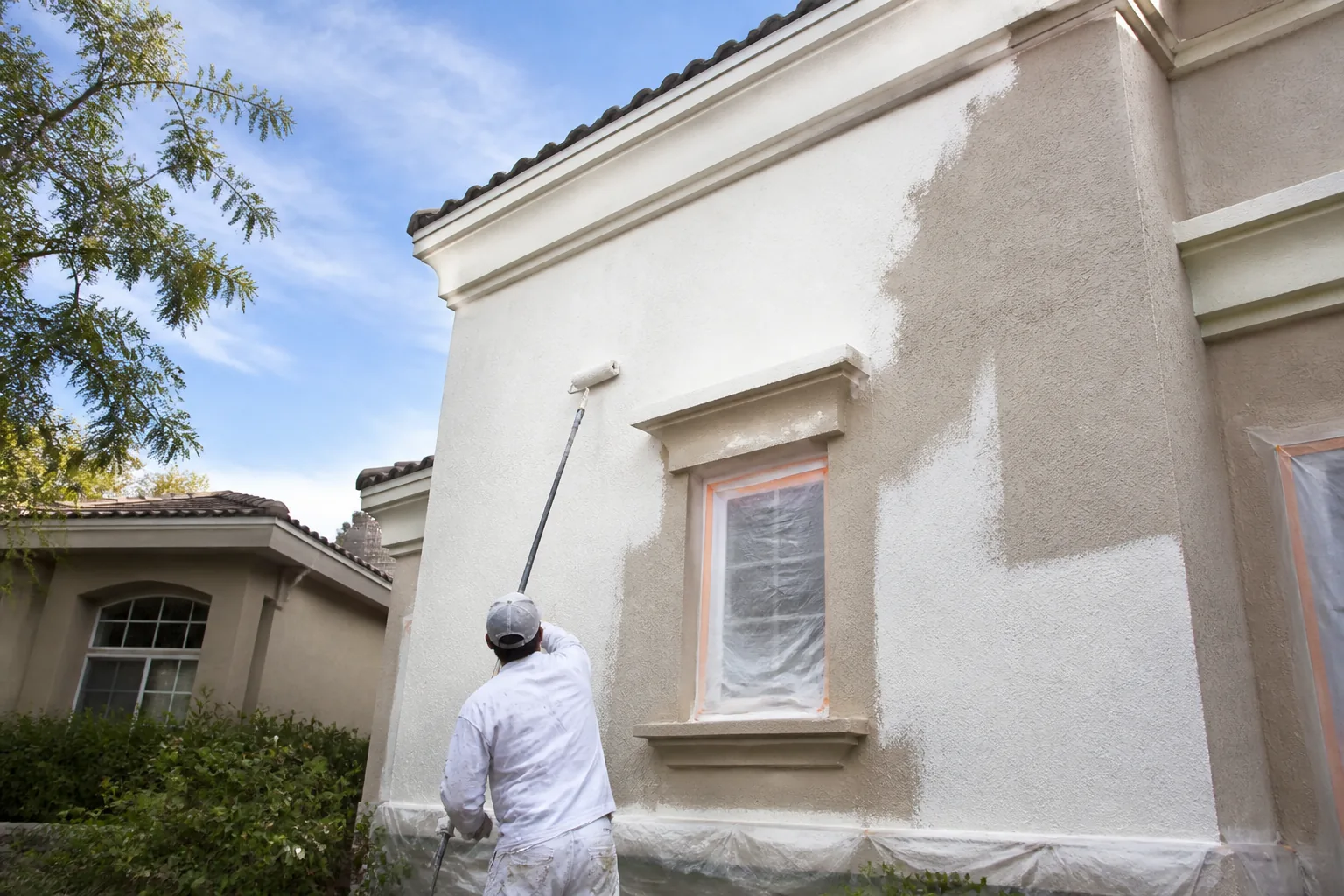
Exterior House Painting on Stucco: What You Need to Know
Stucco works like a hard sponge wrapped around a home. It pulls in rain, dries slowly, and hairline cracks open as the frame of a home settles. A film that cannot breathe holds that water, then peels off a home by the second winter.
A painted stucco home across Nassau County usually holds its finish eight years or so, and salt air near the water shortens that span. Walker Painting answers all three faults with masonry primer, patched cracks and two acrylic coats, each line written into the proposal.
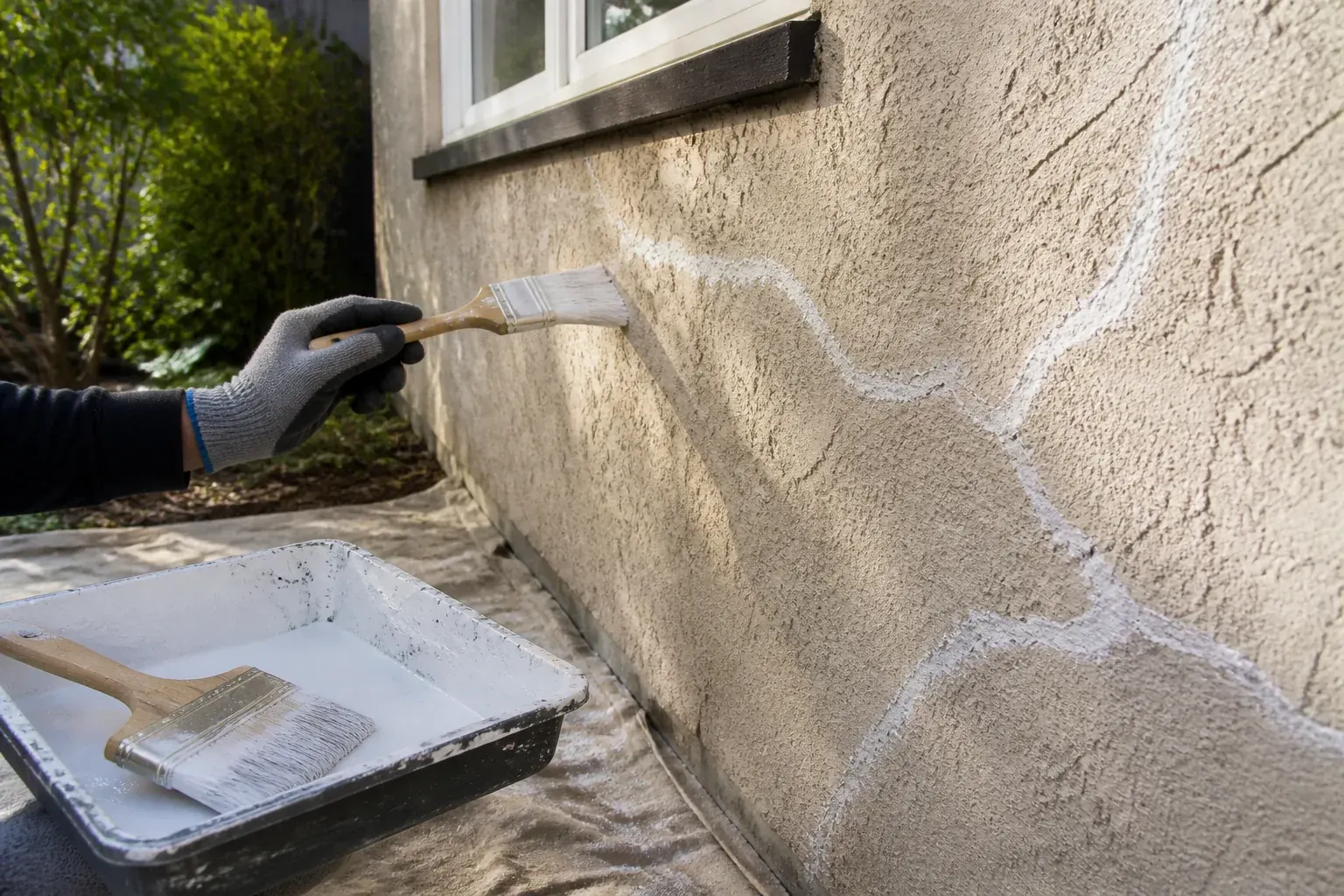
Stucco Faults Before Your Repaint
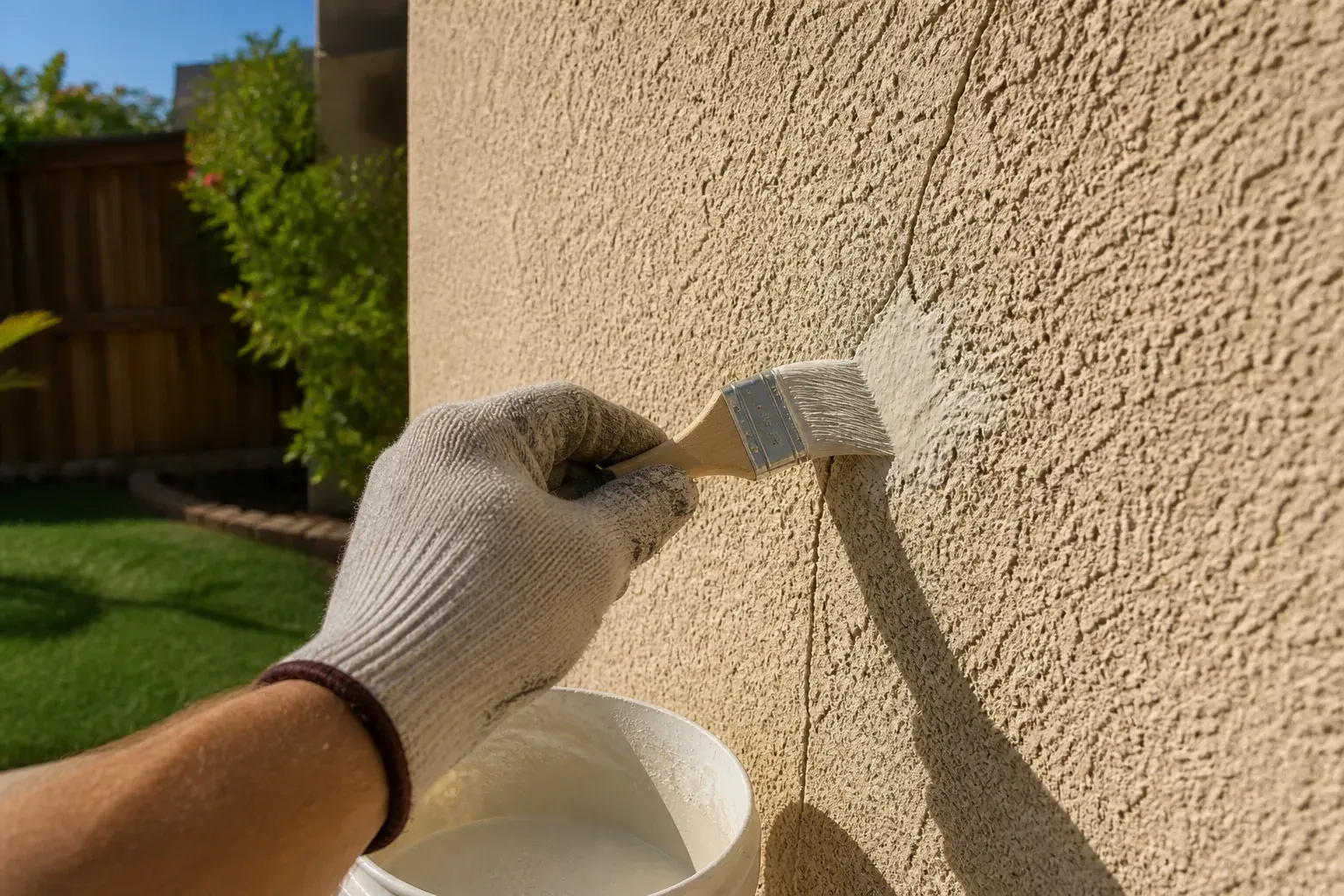
A clapboard home flexes a little, while a masonry shell has no give and cracks instead. Hairline splits thinner than a pencil line take a brushed elastomeric patch, a stretchy coating that bridges small gaps in a home's render.
Wider splits need a cement patch first, and that repair cures fully before any primer lands. Efflorescence is the chalky white salt that weeps out of damp masonry, and our painters brush it off dry once the leak behind the wall is fixed. Paint over any of the three and the finish fails early, which is why prep carries most of our painters' hours.
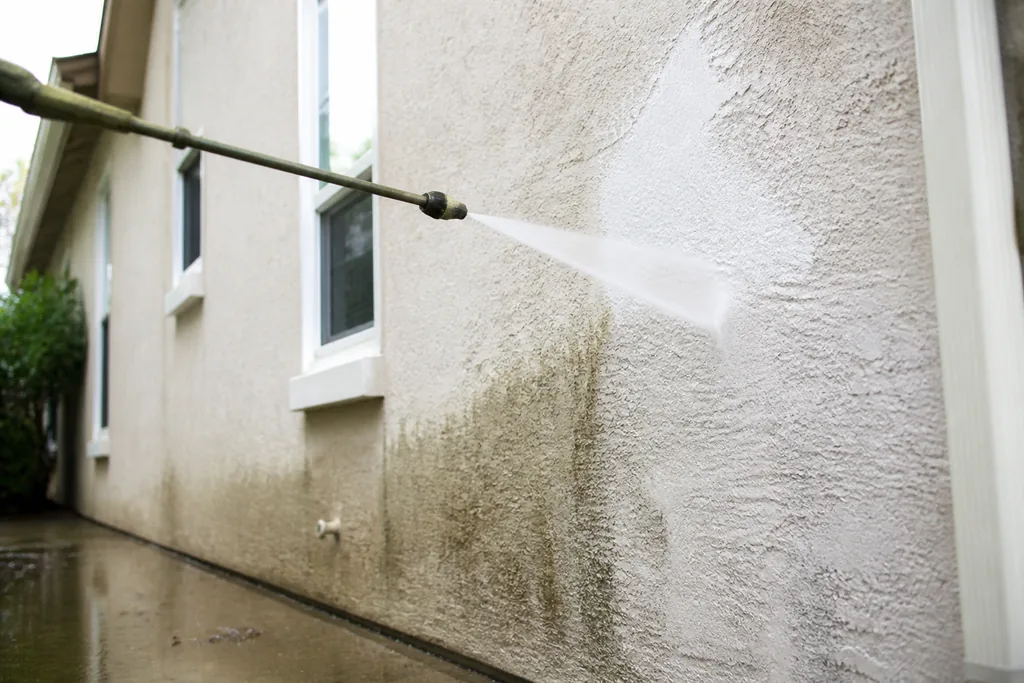
Stucco Surface Prep That Makes an Exterior Repaint Last
Most homes our painters repaint get power washing first, because pressure lifts chalk, pollen and mildew out of a textured wall. Give the walls two full days of drying after a wash, since trapped water pushes primer off a home within one season.
Our painters then scrape loose film, sand the edges, fill wide splits with a cement patch and run fresh caulk around windows and doors. Spot primer lands over bare render, and a chalky home takes a full masonry primer coat. A home built in 1978 or earlier needs a certified lead paint renovator, and our painters hold that lead-safe certification.
Paint and Primer Choices for Your Stucco Home
A breathable acrylic suits sound render, since it flexes a little, sheds rain and lets a damp home dry outward. An elastomeric coating builds a thicker film and bridges hairline splits that keep reopening, yet it also seals damp inside a wet wall, so our painters use it where cracking is the fault and moisture is not.
Either choice needs a masonry primer made to breathe, an alkali resistant sealer that locks down chalk and evens the porous face of a home. Our color consultant walks the street with homeowners, and a whole home repaint carries that consultation free.
Our Five Step Stucco Repaint Process
The exterior painting workflow runs in five steps, and the order holds for every home.
- Inspection and a written proposal cover every wall of a home.
- Color confirmation and scheduling set the shades our painters mix.
- Cleaning and preparation covers power washing, scraping, sanding, repairs, caulking and priming.
- Our painters put two breathable coats over the cured masonry primer.
- A detail review and a cleanup close out the job for the home.
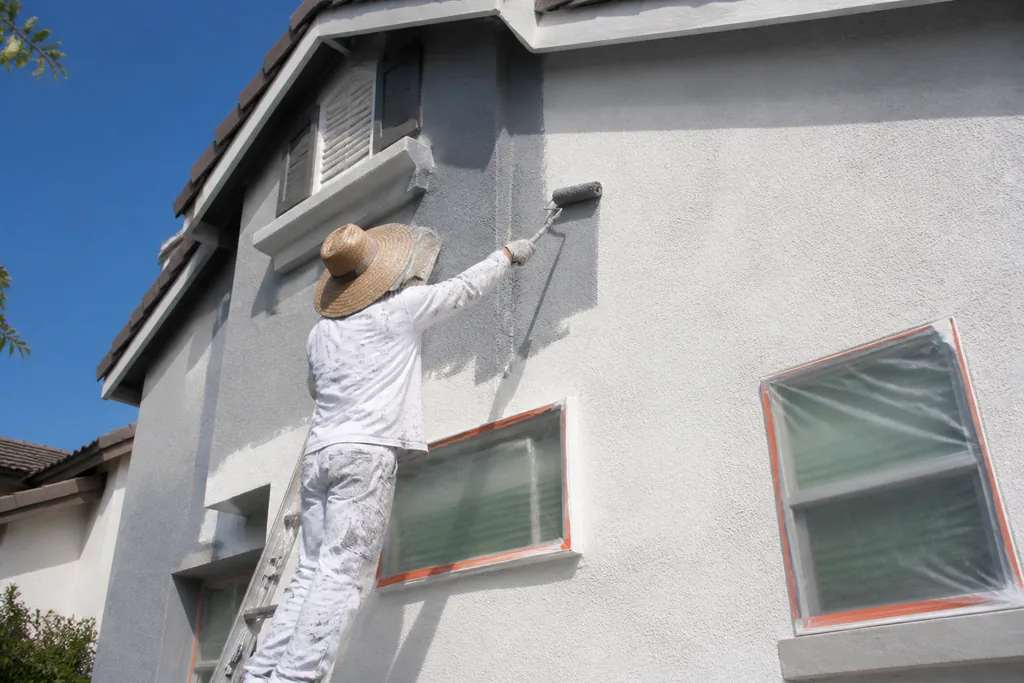
Crews can start as early as the next day, and every paint job carries a one-year written warranty.
Other Services That Pair With a Masonry Repaint
One vetted crew covers inside and outside, so a single proposal can hold a whole home. Power washing also covers decks, patios and walkways. Our carpentry crew installs molding and swaps rotted wood and shingles. Cabinet painting is a specialty here, and an epoxy floor comes in high-gloss or satin with optional decorative flake.
Stucco Repainting Questions
Six answers from the estimators who walk a home, since every figure arrives in writing after a visit.
How often should stucco be repainted?
Painted render across Nassau County usually holds eight years or so, and salt air near the water shortens that span. Chalking and peeling edges are the signals our painters watch.
Does masonry render need a primer first?
Yes. A masonry primer locks down chalk, evens a porous surface and gives the finish coats something solid, and a bare patch takes spot primer before our painters roll a wall.
Can hairline cracks be patched before a repaint?
Our painters brush a stretchy elastomeric patch into anything thinner than a pencil line, fill wider splits with cement, and let each repair cure fully before primer.
Will a fresh coating seal a leaking wall?
No. A coating sheds rain from the outside, but water entering a home at a sill, a roof flashing or a cracked parapet needs that repair first.
Is a sprayer better than a roller for render?
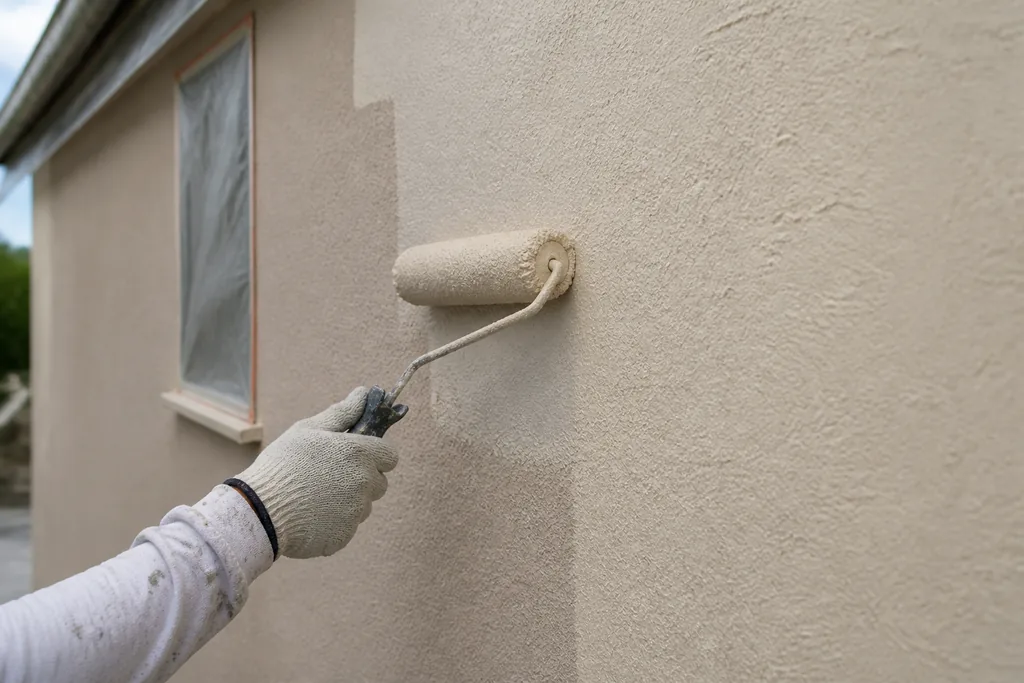
A sprayer loads a textured wall faster, and our painters back roll each pass so the coating works into every hollow of the sand finish.
Which season suits a masonry repaint here?
Late spring through October suits a masonry repaint across Long Island, with dry walls, air above 50 degrees and a settled forecast. Our painters book a date inside that window.
Get a Free Estimate or call 516-447-2732, answered 24 hours a day, 7 days a week.