
Interior House Painting: General Information on Scope, Coats, Cost and Booking
Short answer first: interior house painting at Walker Painting begins with a free on-site estimate, and a crew can be in the home the next day. The company has worked out of Seaford, New York (NY), since 1995, has painted 12,000+ homes, and is rated 5.0 stars across 300+ Google reviews.
The scope is the whole room: walls, ceilings, interior trim, doors, baseboards and moldings, with sanding, patching and priming before any finish coat. Every paint job is covered by a one-year written warranty against paint failure, and the painters doing the work are vetted and reference-checked.
Get a Free Estimate Call 516-447-2732Color Consulting
- Free on-site estimate, no obligation.
- Vetted, reference-checked painters since 1995.
- One-year written warranty on every job.
- Lead-safe certified for pre-1978 homes.
Short on time? Read the house interior painting cost drivers or the house interior painting schedule.
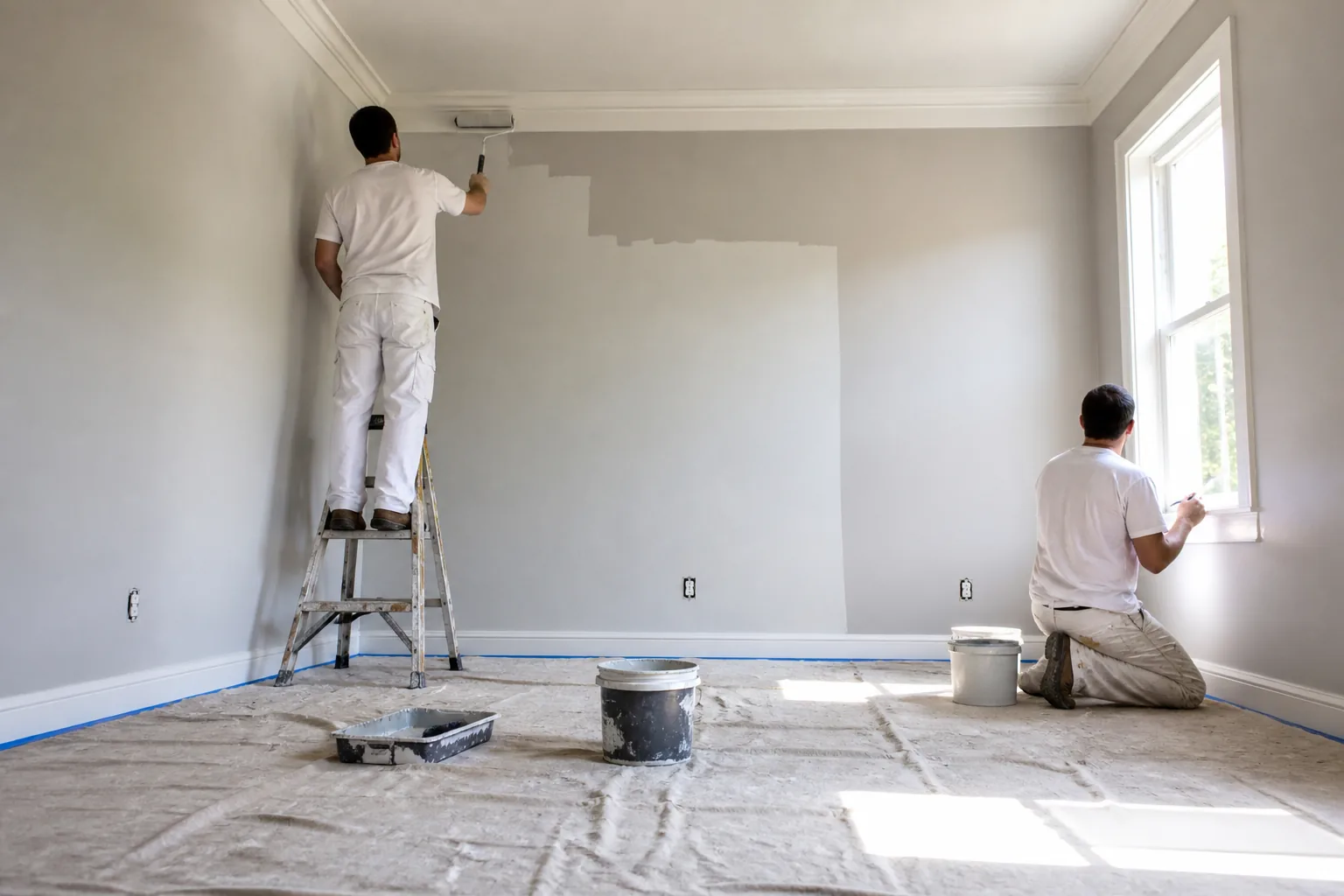
Why us
What Makes Our Interior Painting Crew Different
The record is the answer: 12,000+ homes painted since 1995, a 5.0 star rating across 300+ Google reviews, and most Walker Painting painters still on the crew after 15+ years.
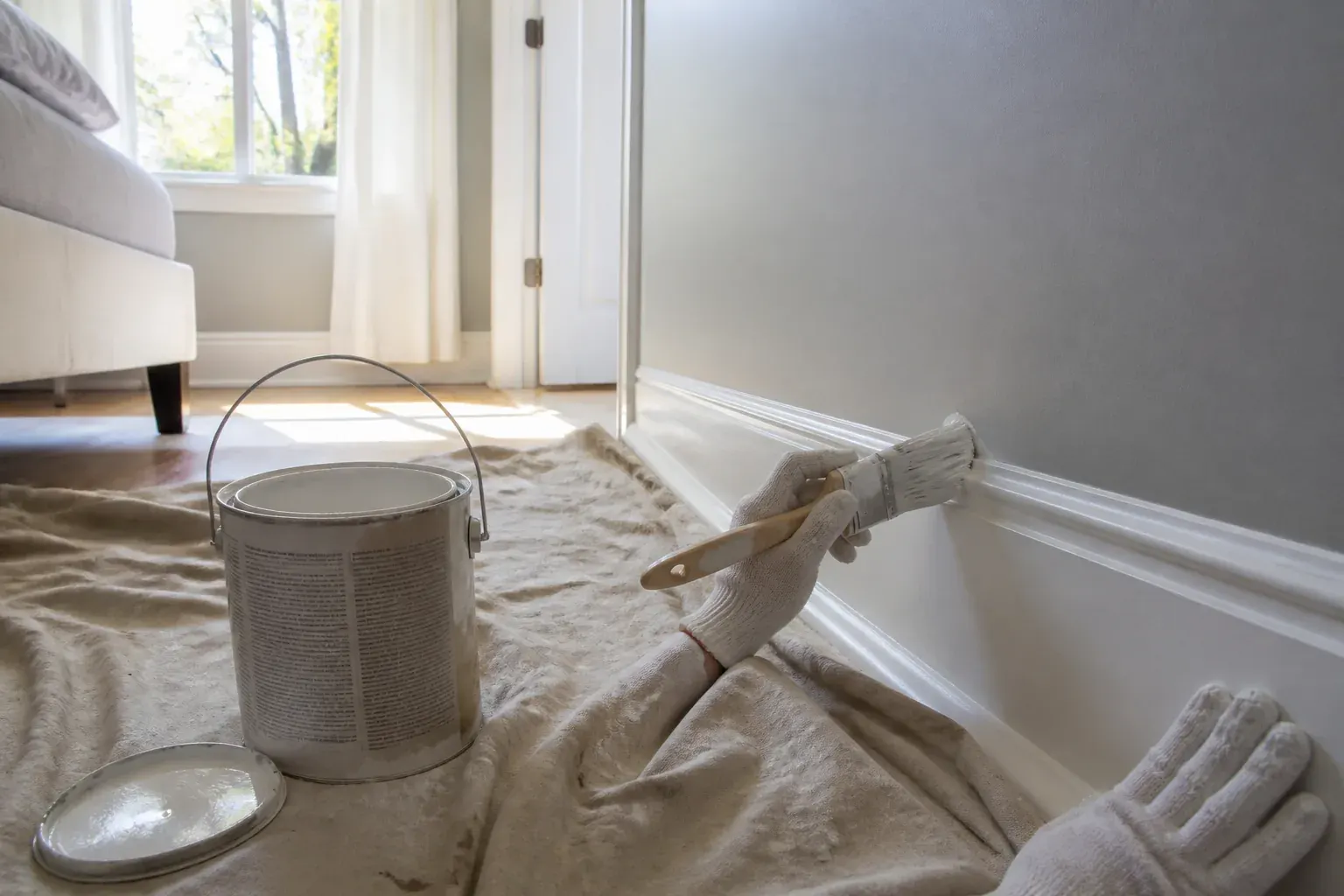
- Crew: every employee is vetted, reference-checked and able to show multiple references.
- Credentials: licensed in Nassau and Suffolk counties, with liability insurance for New York City work.
- Lead paint: a certified lead paint renovator, lead-safe certified for pre-1978 homes.
- Reach: Nassau County is the primary service area, and the same crew works Suffolk County, Queens and Manhattan.
- Answer time: phones are answered 24 hours a day, 7 days a week.
A customer with one bedroom rather than a full interior repaint books Painter For A Day, which the company describes as one room, one day, one painter. Workmanship is backed the same way on a single room as on a whole-home job, because the written warranty covers every paint job.
One crew paints the walls, the ceilings and the interior doors in a home, which is why a finish matches from room to room instead of drifting between subcontractors. Walker Painting keeps that crew on the payroll rather than renting it by the day.
Pricing
Interior House Painting Pricing and What Affects the Cost
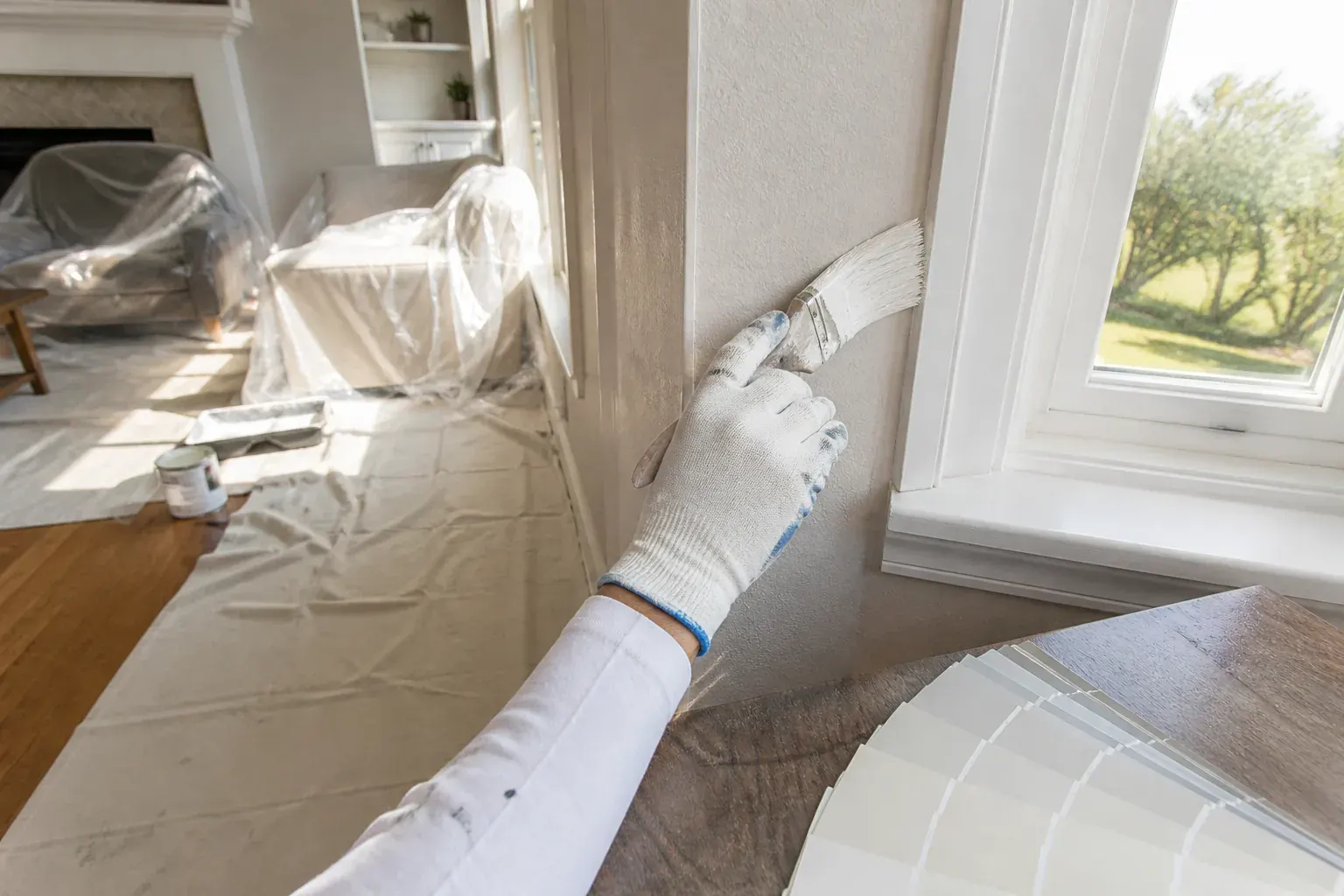
No price is printed here, and that is deliberate: pricing follows your rooms. The cost of an interior house painting job moves with how many rooms there are, the condition of the walls and ceiling, the windows, interior doors and trim, the plaster and spackle damage to repair first, and the materials chosen.
Homeowners ask what painters charge, and published rates would only be a guess at a home nobody has walked. The free on-site estimate answers it in writing with no obligation, and the quote names the surfaces, the coats and the prep it covers.
Call 516-447-2732 at any hour to set a real number against your budget. A whole-home project also includes a free color consultation, so the design decisions cost nothing to make.
How it works
How the Prep and Paint Days Run, Step by Step
Answer: six steps, and four of them land before any finish coat does.
- Walk the rooms: an estimator records the condition of each surface and writes the proposal.
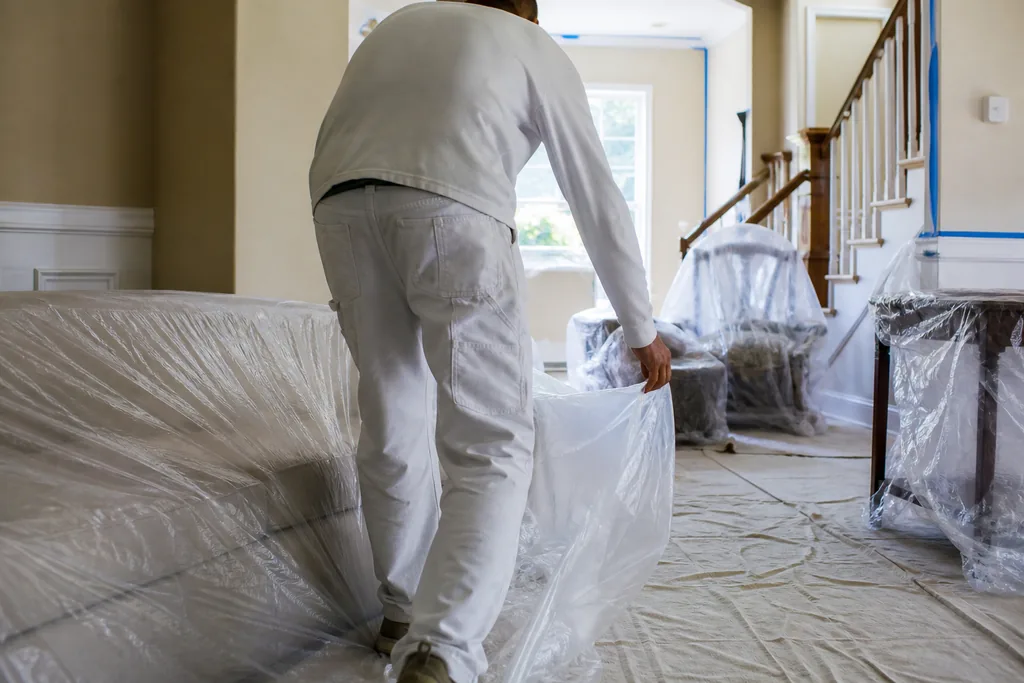
- Clear and cover: furniture moves to the center of the room on casters, under heavy canvas drop cloths.
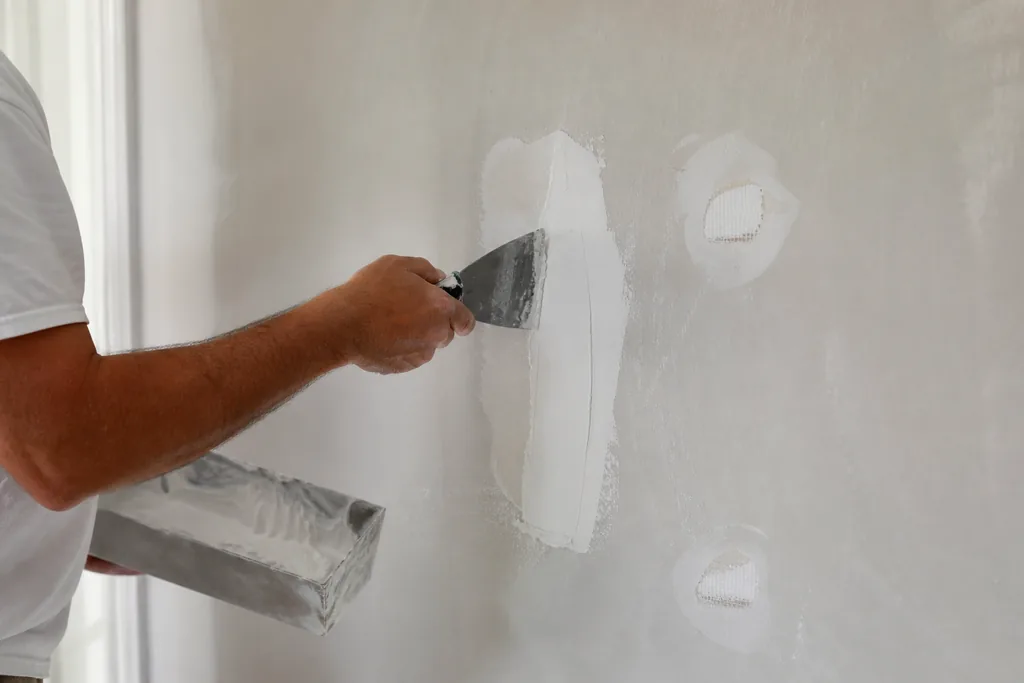
- Repair: plaster and spackle repairs, sheetrock patching and water-damaged sheetrock come first.
- Sand and prime: sanding knocks back the patches, then a bonding or stain-blocking primer seals them.
- Coat: walls, ceilings, trim and doors take their coats, and moldings are usually painted with semi-gloss paint.
- Walk it again: the crew reviews the details, clears the dust and cleans up.
Get started
Book Your Interior Repaint This Week
Phones are answered 24 hours a day, 7 days a week, so call 516-447-2732 or send the request and name a start date for your house interior painting. Crews can start as early as the next day: Get a Free Estimate.
More detail
General Information: What Is Covered
Most of an interior painting job is preparation, not rolling. The crew sands rough spots, fills plaster and spackle damage and patches sheetrock, and the finish paint only follows once each surface is sound.
Primer is the next answer. A bonding or stain-blocking primer is what stops an old stain from ghosting through a new coat, so patched areas are primed rather than covered over and hoped about.
Coats come third. Walls typically take two coats of finish paint, and a deep color over a light wall takes more; the proposal states the number, so the terms are fixed before day one.
Protection runs through all of it. Heavy canvas drop cloths cover the floor, furniture sits on casters in the middle of the room, and the dust is cleared at the end of each work day.
Safety is a credential rather than a slogan. Walker Painting is a certified lead paint renovator and is lead-safe certified for pre-1978 homes, which is the difference that matters when sanding disturbs old paint in an older Long Island room.
Ceilings get their own answer. A flat finish on a ceiling hides the roller marks that a sheen would advertise, and a ceiling that has just had repairs is primed before it is coated, so the patch does not flash through the fresh color above your head.
What the crew will deliver is written, not implied. The proposal lists the rooms, the surfaces, the repairs, the primer and the coats, so a customer and the crew read one scope. Interior surfaces vary too: plaster takes a skim coat where sheetrock wants tape and compound, and bare wood needs a sealing primer before color.
Tailoring Colors and Designs to Your Vision
Color is where most projects stall, so a whole-home job includes a free color consultation. Settling the color first keeps the timeline honest, because a crew is not standing in a room waiting for a sample to be chosen. Planning that choice early costs nothing, so choose on your own clock.
Lighting decides more than the chip does. A sample that reads warm in a south-facing bedroom turns cool in a hallway, so hold it on the wall in the room it is meant for, at the hour you use that space.
Then pick a finish. A flat or matte finish hides roller marks on a ceiling, eggshell suits most interior walls, and moldings are usually painted with semi-gloss paint because semi-gloss wipes clean. Bathrooms and a kitchen earn the harder gloss, since steam and grease land there.
Color psychology is a design argument, not a law: cooler colors tend to settle a bedroom, and warmer colors lift a living room. Test it with samples under your own lighting instead of trusting a chart, and run a bead of caulk at the baseboards before the first coat so the line stays crisp.
Trim is a separate decision from the walls. White on interior trim makes a wall color read stronger, while trim tinted toward the wall softens a small room, and both are tested on the same sample board before a crew starts.
Cabinet painting is a specialty here, and the estimate includes an actual door sample and photos. Cabinets in a kitchen are approved on a real door under real lights, which is a different decision from approving a paper chip, and the range of finishes on offer is shown the same way.

How Estimates and Booking Work
Is the estimate free? Yes, and it happens on site and carries no obligation. An estimator walks the rooms, measures the space, records the condition of every surface and leaves the written proposal with you.
How soon can work start? As early as the next day, which is the company line: get an estimate today, paint tomorrow. Phones are answered 24 hours a day, 7 days a week, so a request at midnight still reaches a person rather than a form.
Is there a small option? Painter For A Day is one room, one day, one painter, and it fits bedrooms, nurseries, home offices, hallways, front doors, shutters, trim touch-ups, ceilings after repairs, molding and small plaster and spackle repairs. The company says honestly whether an interior room qualifies.
What happens after the crew leaves? Policy: every paint job is covered by a one-year written warranty against paint failure. Warranties written that plainly are the reason a quote is worth reading to the last line.
Who can book? Service areas are Nassau County, Suffolk County, Queens and Manhattan. The contractor is licensed in Nassau and Suffolk counties and carries liability insurance for New York City work, so clients in a Manhattan apartment book exactly as clients in Seaford do.
What does the paperwork look like? One proposal, written on site, listing the rooms, the surfaces, the repairs, the primer, the coats and the start date. Walker Painting leaves it with you rather than emailing a number days later, so there is something real to compare if you are collecting quotes from more than one contractor.
Is a do-it-yourself (DIY) repaint sensible? In one bedroom it can be. In a pre-1978 home it is a different question, because lead-safe work calls for a certified lead paint renovator and a weekend does not buy that certification.
Where Interior Work Meets Our Other Long Island Trades
Rooms rarely want paint alone. Carpentry and repairs cover molding installation, replacing rotted wood and shingles, sheetrock patching and water-damaged drywall repair, and that work lands before the finish coat so a remodeling schedule does not double back.
Outside the home, exterior painting runs its own sequence: inspection and proposal, color confirmation and scheduling, cleaning and preparation through scraping, sanding, repairs, caulking and priming, then paint application and a detail review. Power washing usually opens it, since most houses are power washed before a coat goes on, and painting exterior siding on the same mobilization saves a return trip.
Commercial painting covers offices, retail interiors, restaurants, apartments and condominiums and warehouses, with night, weekend or phased scheduling when the proposal includes it. Epoxy flooring arrives in a high-gloss or satin finish with optional decorative flake, for a garage, basement, workshop or utility room.
Epoxy and paint sometimes share one schedule: a basement floor can cure while the walls upstairs take their second coat, which is one visit rather than two. The proposal names which trade is in the home on which day.
Wallpaper is on the list as well, because the company removes wallpaper and installs all types of wall covering. One contractor across the carpentry, the paper and the paint means the residential schedule stays in one place.
What You Need to Know About Cracks, Peeling and Texture
Walls tell you what they need. Hairline cracks open where a wall meets the ceiling, flaking and bubbling paint show where moisture has sat, and peeling appears behind a radiator. Gaps, small holes and a cracked corner are normal on an older interior wall. The team will see each one during the walk and note it clearly.
Texture is the next thing to check. An old popcorn texture reads through fresh paint, and a rough patch looks different from the smooth wall. Careful sanding makes the repair smoother, and that attention is why the finished wall holds a line. Wallpaper removal is on the list, and new wall covering is installed by the same pros.
Wall condition will also affect the estimate. Labor is the larger amount on most interior painting jobs, so the breakdown depends on the repairs that come before new paint. A smaller room takes less prep than a typical hallway. No average per square foot rate is printed, because square footage cannot measure a house.
Protection and cleanup are standard. Heavy canvas drop cloths protect the floors, and furniture is moved to the middle of the room on casters. The floors stay protected until the final coat is applied. Moldings are usually painted with semi-gloss paint, a durable sheen that is resistant to scuffs in a dining room.
Walker Painting has been a local painting contractor since 1995, and most of its painters are professionals with 15+ years. Every paint job carries a one-year written warranty against paint failure. Comparing contractors is fair, and a written scope guides what a quote covers. When you are ready to discuss the interior, call 516-447-2732 now.
FAQ
Frequently Asked Questions About Interior Painting Services
What Is Included in Professional Interior Work?
Walls, ceilings, trim, doors, baseboards and moldings, plus the sanding, plaster and spackle repair, sheetrock patching and priming that come before the finish coats. The proposal names every surface, so the scope is agreed in writing rather than assumed.
How much does a repaint cost in Nassau County?
There is no published rate, because the price follows your rooms: how many, the condition of the walls and ceiling, the trim and doors, the repairs needed first and the materials chosen. The free on-site estimate puts that in writing with no obligation.
How long does interior work take from estimate to last coat?
A crew can start as early as the next day after the estimate: get an estimate today, paint tomorrow. One room that qualifies as a day of work is booked as Painter For A Day, one room, one day, one painter.
Can you paint one interior room instead of the whole home?
Yes. Painter For A Day suits bedrooms, nurseries, home offices, hallways, front doors, shutters, trim touch-ups, ceilings after repairs, molding and small plaster and spackle repairs, and the company decides honestly whether a room qualifies as one day of work.
What do you do about dust, furniture and the floor?
Furniture moves to the center of the room and sits on casters so nothing is dragged over the floor, heavy canvas drop cloths go down underneath, and the crew clears the dust and cleans up before leaving.
Do you remove wallpaper and repair damaged walls?
Yes. The company removes wallpaper and installs all types of wall covering, and carpentry and repairs cover molding installation, replacing rotted wood and shingles, sheetrock patching and water-damaged drywall repair.
When can a crew start, and who answers the phone?
Phones are answered 24 hours a day, 7 days a week, so a request at midnight reaches a person. Crews can start as early as the next day, and the on-site estimate stays free and carries no obligation.